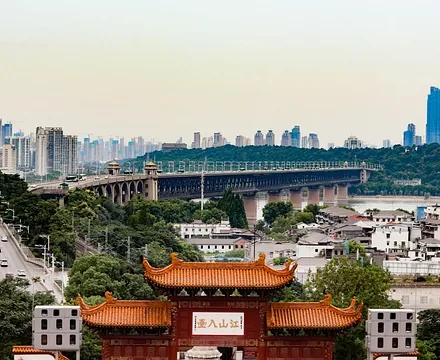
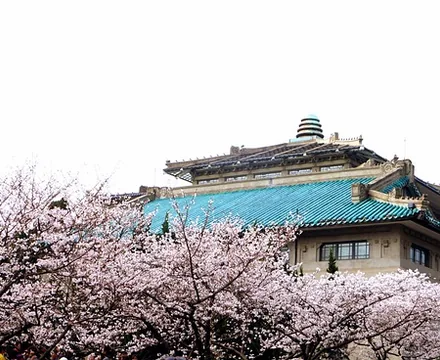
History & Culture: Wuhan lies in the eastern Jianghan Plain at the confluence of the Yangtze and Han Rivers and consists of the three towns of Wuchang, Hankou and Hanyang; it has long been known as the 'thoroughfare of nine provinces'. The Panlongcheng site attests to 3,500 years of city history, and in modern times the Wuchang Uprising made Wuhan the birthplace of the Xinhai Revolution. Wuhan is a city where the bold spirit of rivers and lakes meets everyday street life. The revolutionary spirit of the Xinhai Revolution began here, and the Wuchang Uprising fired the first shot that overthrew the feudal monarchy. Han opera and Chu opera carry the distant flavour of Chu culture, and the dockland trading culture witnessed the prosperity of the 'thoroughfare of nine provinces'. Annual events such as the East Lake Cherry Blossom Festival and the Wuhan International Yangtze River Crossing Festival give the city a distinctive charm between historical depth and modern vitality.
Geography: At the confluence of the Yangtze and Han Rivers, the city consists of Wuchang, Hankou and Hanyang. It has a subtropical monsoon climate with four distinct seasons, abundant rain, and a dense network of rivers and lakes. Wuhan lies in Hubei Province, where landforms, rivers and climate have shaped the city's layout. Spring (Mar–Apr) brings cherry blossoms; autumn (Sep–Nov) is clear and crisp and the most pleasant. Natural and cultural sites are relatively concentrated, so a one- or two-day itinerary can be arranged by area. Light, vegetation and water levels change with the seasons; check the weather and scenic-area notices before setting out. Roads and railways are the main connections, and major sights can be linked from the city or county town.
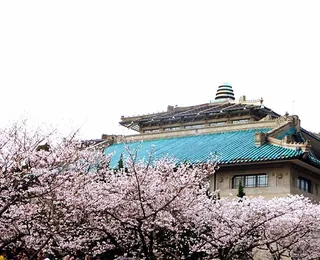
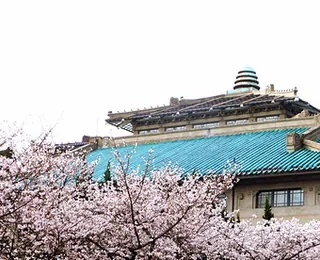
Highlights: Climb Yellow Crane Tower, enjoy the East Lake cherry blossoms, stroll Hubu Alley and taste hot dry noodles — experience the meeting of river-town boldness and everyday street life. Core sights include Yellow Crane Tower, East Lake Eco-Tourism Scenic Area, Wuhan University and Qingchuan Pavilion. They cover history, nature and city life and can be combined freely. Pair the core sights with nearby streets, museums or food streets for a half- or full-day route. If time allows, slow down and leave room for walking and rest. First-time visitors can start with the most representative sights, then add museums, old streets or natural areas as time allows. Local food is part of the itinerary — save a meal for a time-honoured shop or a local market.
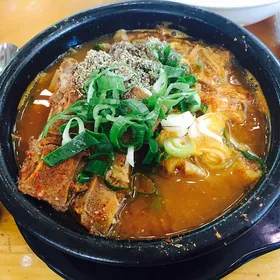
Food Culture: Wuhan's food is famous for its breakfast culture: hot dry noodles with rich sesame paste, doupi crisp outside and soft inside, duck necks numbing and spicy, and hutang fen with a thick fish broth — its name as the 'breakfast capital' is well deserved.