Attractions

The Forbidden City

The Forbidden City

Recommend 4.9 / 5

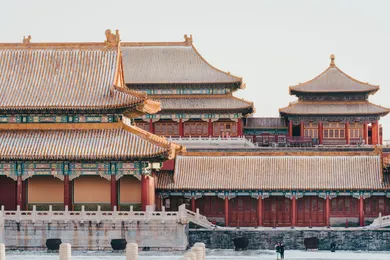
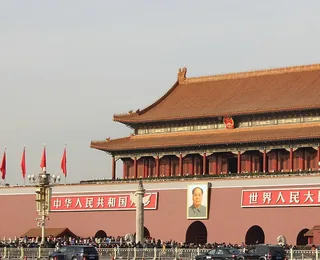
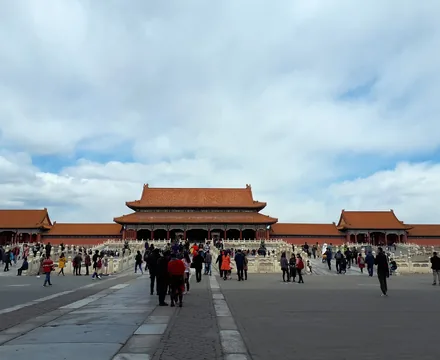
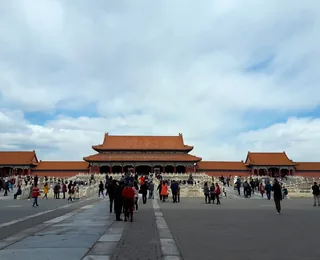
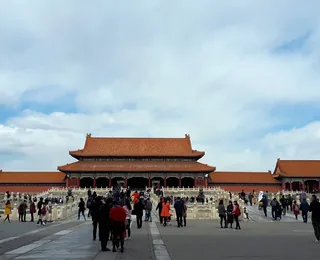
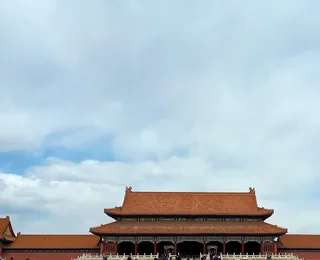
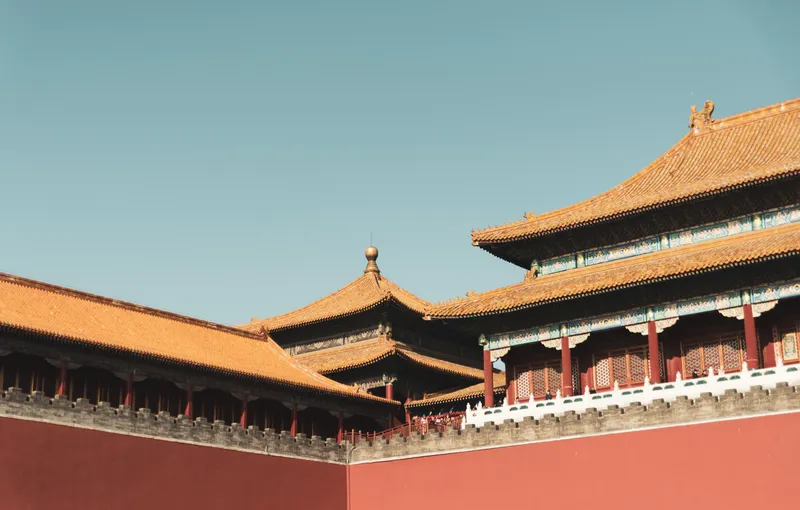
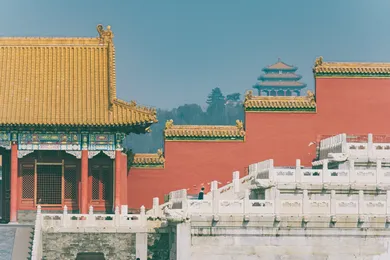
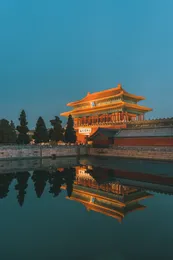
The Forbidden City, also called the Purple Forbidden City, was the imperial palace of the Ming and Qing dynasties, at the centre of Beijing's Central Axis. It covers 720,000 square metres, with about 150,000 square metres of buildings, more than 70 halls and palaces and over 9,000 rooms. It is the largest and most complete surviving wooden architectural complex in the world and was inscribed as a UNESCO World Heritage Site in 1987. The front halls were built to be grand and imposing, with bright, open courtyards that expressed the supreme authority of the imperial regime. The design and construction are an unmatched masterpiece: the plan, the three-dimensional effect and the imposing, stately, solemn and harmonious forms are rarely seen anywhere in the world. Highlights include the Hall of Supreme Harmony (Throne Hall), Palace of Heavenly Purity, Imperial Garden and Treasure Gallery. Tip: Book online in advance; the museum is closed on Mondays. Practical info: located at 4 Jingshan Front Street, Dongcheng District, Beijing; admission ¥60 peak / ¥40 off-peak; open 08:30–17:00 (closed Mondays).
  • Address: 4 Jingshan Front Street, Dongcheng District, Beijing
  • Ticket: Peak ¥60 / off-peak ¥40
  • Opening: 08:30–17:00 (closed Mondays)
The Forbidden City
The Forbidden City
The Forbidden City
Tiananmen Square

Tiananmen Square

Recommend 4.9 / 5

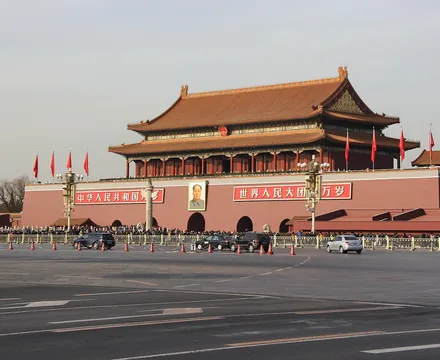
Tiananmen Square measures 880 metres north-south and 500 metres east-west, covering about 440,000 square metres, the core public space on Beijing's Central Axis. Tiananmen Gate at the north end was first built in 1417, the 15th year of the Yongle reign, and was the main gate of the Ming and Qing imperial city. The Monument to the People's Heroes at the centre had its foundation stone laid in 1949 and was completed in 1958, standing 37.94 metres tall. The Mao Zedong Memorial Hall to the south, the Great Hall of the People to the west and the National Museum of China to the east frame the square as it is today. The flag-raising ceremony is held at sunrise every morning, and visitors from all over the country arrive an hour early. Tip: Visits require a real-name reservation 1–7 days ahead and your original ID document; queue at the security checkpoint an hour before the flag-raising. Practical info: located on East Chang'an Avenue, Dongcheng District, Beijing; admission free (real-name reservation required); open 05:00–22:00 (flag-raising follows sunrise; subject to official notice). Plan your stay according to opening hours and your energy.

Tip: Book 1–7 days ahead with your real name and bring your original ID document; arrive an hour before flag-raisin…

  • Address: East Chang'an Avenue, Dongcheng District, Beijing
  • Ticket: Free (real-name reservation required)
  • Opening: 05:00–22:00 (flag-raising follows sunrise; subject to official notice)
Tiananmen Square
Tiananmen Square
Tiananmen Square
Badaling Great Wall

Badaling Great Wall

Recommend 4.8 / 5

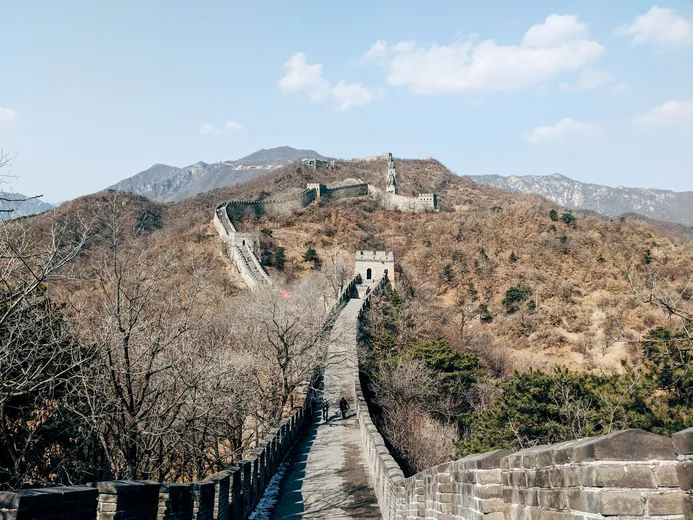
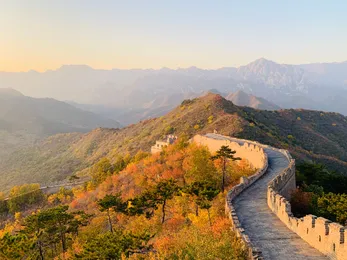
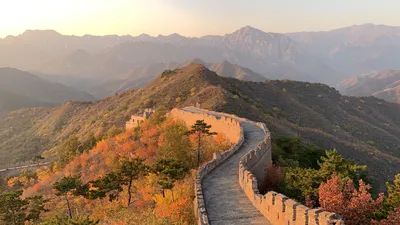
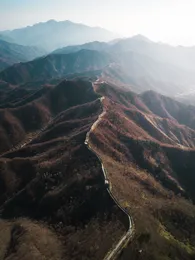
Badaling is the best-preserved and most representative section of the Ming Great Wall, at the northern mouth of the Guogou Ancient Road in the Jundu Mountains of Yanqing District, Beijing. The terrain is steep and the fortifications imposing; since ancient times it has been a strategic military point guarding the imperial tombs and the capital. 'You are not a true man until you have reached the Great Wall.' Badaling is a must for visitors to Beijing from home and abroad, and has so far received more than 130 million Chinese and foreign visitors. Winding through the high mountains and built along the ridges, Badaling is grand and majestic, and was the earliest section of the Great Wall opened to visitors. Badaling is the best-preserved and most representative section of the Ming Great Wall, winding through the high ridges of the Jundu Mountains above 1,000 metres. Its walls are solid and imposing, and since ancient times it has been a military stronghold guarding the imperial tombs and the capital. 'You are not a true man until you have reached the Great Wall' — the section has received more than 100 million Chinese and foreign visitors. Highlights include the North Eighth Tower (Beibadaling), Hero Slope and the Beijing-Viewing Stone. Tip: Take the S2 suburban railway and start early to avoid the crowds. Practical info: located at Badaling Town, Yanqing District, Beijing; admission ¥40 peak / ¥35 off-peak; open 06:30–19:00.

  • Address: Badaling Town, Yanqing District, Beijing
  • Ticket: Peak ¥40 / off-peak ¥35
  • Opening: 06:30–19:00
Badaling Great Wall
Badaling Great Wall
Badaling Great Wall
Temple of Heaven Park

Temple of Heaven Park

Recommend 4.7 / 5

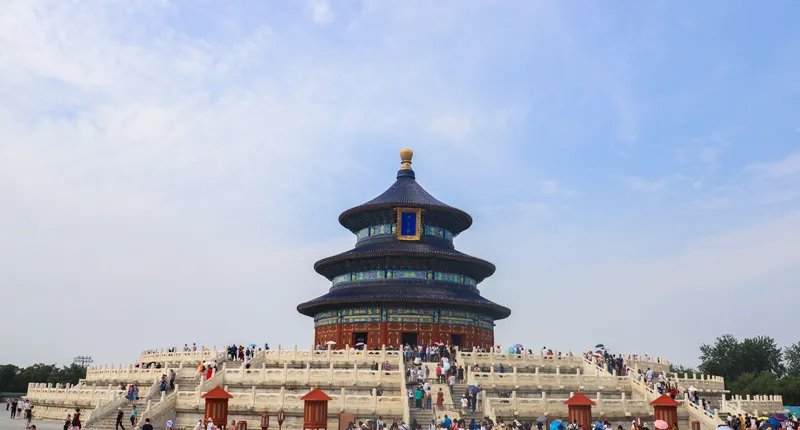
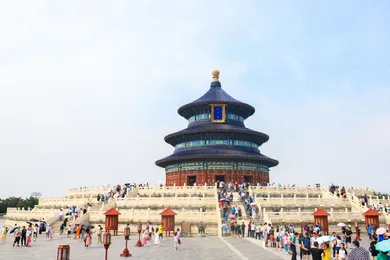
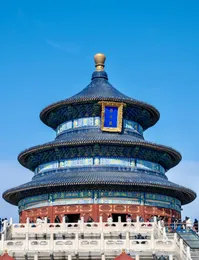
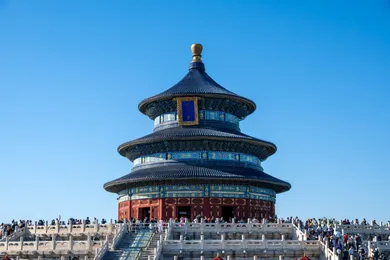
The Temple of Heaven was where the emperors of the Ming and Qing worshipped heaven and prayed for good harvests. It lies in southern Beijing, east of Yongdingmennei Street in Dongcheng District, and covers about 2.73 million square metres. Built in 1420, the 18th year of the Yongle reign, it was rebuilt and renovated under the Qianlong and Guangxu emperors. The Temple of Heaven is the largest surviving complex of ancient imperial heaven-worship architecture in the world, and its layout and construction express the ancient Chinese cosmology of 'round heaven and square earth'. The Hall of Prayer for Good Harvests is its signature building: a triple-eaved round hall on a three-tiered white marble base, with a unique structure that uses no great beams or long purlins, only nanmu columns and beams interlocking for support. Highlights include the Echo Wall and the Circular Mound Altar. Tip: In the early morning you can see local elderly people exercising and singing opera — very much part of daily life. Practical info: located at Tiantan Neidongli, Dongcheng District, Beijing; combo ticket ¥34; open 06:00–22:00 (core buildings such as the Hall of Prayer for Good Harvests generally open after 08:00). Best season: autumn (Sep–Nov) is crisp and clear, with the red leaves at Fragrant Hills at their best; spring (Apr–May) is also pleasant.

  • Address: Tiantan Neidongli, Dongcheng District, Beijing
  • Ticket: Combo ¥34
  • Opening: 06:00–22:00 (core buildings such as the Hall of Prayer for Good Harvests generally open after 08:00)
Temple of Heaven Park
Summer Palace

Summer Palace

Recommend 4.7 / 5

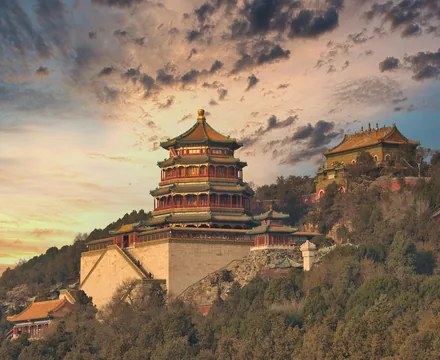
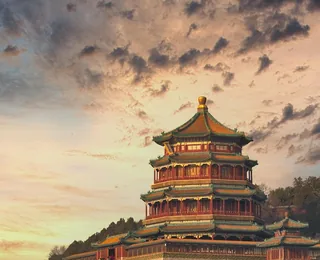
The Summer Palace began as the Garden of Clear Ripples: from 1749, the 14th year of the Qianlong reign, Wengshan Pool was dredged, the lake was named Kunming Lake in 1750, and after more than ten years the whole garden was completed in 1764, the 29th year of Qianlong, forming with Jingyi, Jingming, Yuanming and Changchun gardens the 'Three Hills and Five Gardens' west of the capital. In 1860 the garden was burned by the Anglo-French forces; rebuilt during the Guangxu reign, it was renamed the Summer Palace in 1888. It was plundered again by the Eight-Nation Alliance in 1900 and opened to the public as a park in 1924. Water covers about three quarters of the garden. The West Dyke in Kunming Lake copies the Su Causeway of Hangzhou's West Lake, with six bridges of its own; the Seventeen-Arch Bridge on the east dyke is 150 metres long and 8 metres wide, its seventeen arches paired symmetrically, with 544 stone lions carved on the balusters. Around the winter solstice the setting sun can shine through every arch, creating the 'golden light through the bridge'. The Tower of Buddhist Incense on the front slope of Longevity Hill is 41 metres high, octagonal with four tiers of eaves, and forms the compositional core of the whole garden. In December 1998 the Summer Palace was inscribed on the World Heritage List.

Tip: Enter from the East Palace Gate and walk along Kunming Lake.

  • Address: 19 Xinjian Gongmen Road, Haidian District, Beijing
  • Ticket: Peak ¥30 / off-peak ¥20
  • Opening: 06:30–18:00
Summer Palace
Summer Palace
Summer Palace
National Museum of China

National Museum of China

Recommend 4.8 / 5

The National Museum of China was formed by merging the former Museum of Chinese History and the Museum of the Chinese Revolution. It was officially established in 2007, and the new building opened in 2011. The building has nearly 200,000 square metres of floor space, 48 galleries and more than 1.4 million objects. Treasures include the Shang dynasty Houmuwu ding, the Four-Ram Zun, the Western Zhou Li gui and the Han dynasty story-teller figurine. The permanent 'Ancient China' exhibition runs from remote antiquity to the Ming and Qing, the most systematic route through Chinese civilisation, while 'The Road to Rejuvenation' focuses on modern history. One of the world's largest museum buildings, with more than 1.4 million objects — from the Houmuwu ding and Four-Ram Zun to the story-teller figurine, almost the whole of Chinese history is here. The permanent 'Ancient China' galleries are the display to put first on your list. Highlights include the 'Ancient China' permanent exhibition. Tip: Allow at least 3–4 hours; see 'Ancient China' first, then the temporary exhibitions. Practical info: located at 16 East Chang'an Avenue, Dongcheng District, Beijing; admission free (real-name reservation required); open 09:00–17:00 (closed Mondays; last entry 16:00).

  • Address: 16 East Chang'an Avenue, Dongcheng District, Beijing
  • Ticket: Free (real-name reservation required)
  • Opening: 09:00–17:00 (closed Mondays; last entry 16:00)
National Museum of China
Ming Tombs

Ming Tombs

Recommend 4.6 / 5

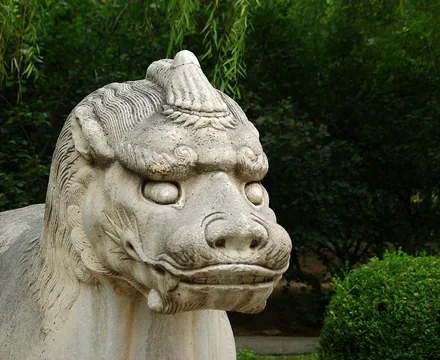
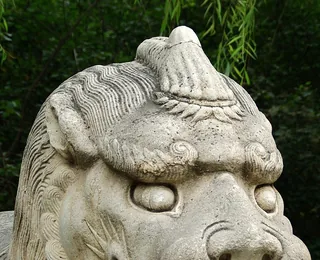
The Ming Tombs are the burial sites of thirteen emperors of the Ming Dynasty after the capital moved to Beijing, scattered along the southern foot of Mount Tianshou in Changping, about 50 km northwest of the city. Construction began with Changling in 1409, the seventh year of the Yongle reign, and continued for more than two centuries. The tombs share a single Sacred Way lined with stone statues, while each has its own square city, bright tower and burial mound. Three tombs are now open to visitors: Dingling, Changling and Zhaoling. The underground palace of Dingling (tomb of the Wanli Emperor, Zhu Yijun) has been excavated and can be entered; the Ling'en Hall of Changling is among the largest surviving nanmu halls, its columns cut from single logs of golden nanmu, an imposing sight. In 2003 the Ming Tombs were added to the UNESCO World Heritage List as an extension of 'Imperial Tombs of the Ming and Qing Dynasties'. Highlights include the stone statues on the Sacred Way and the Dingling Underground Palace. Tip: The tombs are spread out; a private car or public transport (metro Changping line then bus 872) is the best way to link them. Practical info: located at Ming Tombs Town, Changping District, Beijing; tickets Changling ¥45 peak / ¥30 off-peak, Dingling ¥60 / ¥40, Zhaoling ¥30 / ¥20, Sacred Way ¥30 / ¥20 (combo ticket better value); open 08:00–17:00 (hours vary slightly by tomb). It can be combined with The Forbidden City, Tiananmen Square, Badaling Great Wall in Beijing for a half- or full-day itinerary.

Tip: The tombs are spread apart — a private car or public bus (metro Changping line then bus 872) works best.

  • Address: Ming Tombs Town, Changping District, Beijing
  • Ticket: Changling ¥45 peak / ¥30 off-peak; Dingling ¥60 / ¥40; Zhaoling ¥30 / ¥20; Sacred Way ¥30 / ¥20 (combo ticket better value)
  • Opening: 08:00–17:00 (hours vary slightly by tomb)
Ming Tombs
Ming Tombs
Ming Tombs