City Intro

History & Culture: Beijing is an ancient capital with a long history: the Liao, Jin, Yuan, Ming and Qing all established their capitals here, leaving seven UNESCO World Heritage Sites including the Forbidden City, Temple of Heaven and Summer Palace. Three thousand years of city-building and eight hundred years as a capital make it a living museum of Eastern history. Beijing's cultural heritage is deep and varied. Peking Opera, which combines singing, recitation, acting and acrobatics, is hailed as the 'national essence' and still stages classic repertoire at the Chang'an Grand Theatre and elsewhere. Hutongs and courtyard houses form the everyday fabric of old Beijing, where warmth between neighbours and the bustle of daily life hide among grey bricks and tiles. Tianqiao acrobatics and temple-fair folk performances keep popular art alive. The imperial ritual of the Forbidden City and the Central Axis urban plan are inscribed as World Heritage; the 7.8-kilometre axis from Yongdingmen to the Bell and Drum Towers embodies the highest wisdom of ancient Chinese capital planning. The Ditan Temple Fair at Spring Festival and the Lantern Festival lights each year keep this old capital's cultural life beating.

Geography: Beijing lies at the northern end of the North China Plain, with the Taihang Mountains to the west, the Yanshan Mountains to the north and the Yongding River crossing it. It has a warm-temperate, semi-humid continental monsoon climate with four distinct seasons; autumn is crisp and especially good for travel. As a municipality directly under the central government, its urban space, rivers and climate have shaped one another into a compact, multi-centred city. Autumn (Sep–Nov) is crisp and clear, with the red leaves at Fragrant Hills at their best; spring (Apr–May) is also pleasant. Natural and cultural sites are fairly concentrated, so a one- or two-day itinerary by area works well. Light, vegetation and water levels change with the seasons; check the weather and official notices before setting out. Roads and railways are the main connections, and the main sights can be linked from the city or county town.

Highlights: Tour the Forbidden City, climb the Great Wall, watch the flag-raising, linger in the hutongs and hear Peking Opera — imperial grandeur and everyday street life in one place. Core sights include the Palace Museum, Tiananmen Square, Badaling Great Wall and Temple of Heaven Park. They cover history, nature and city life, and can be combined freely. Pair the main sights with nearby streets, museums or food streets for a half- or full-day route. If time allows, slow down and leave room for walking and meals. First-time visitors can start with the most representative sights, then add museums, old streets or nature as time allows. Local food is part of the itinerary — save a meal for a time-honoured shop or a local market.

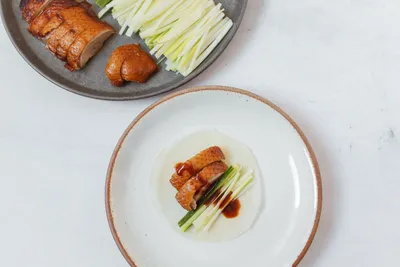
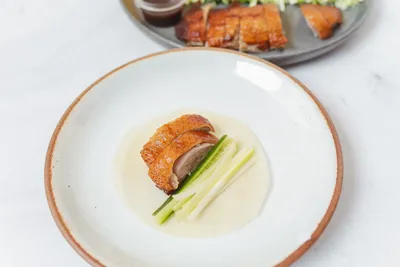
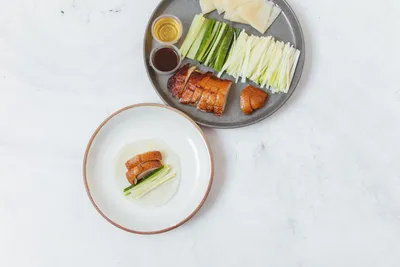
Food Culture: Beijing cuisine draws on both Shandong cooking and imperial court dishes: roast duck has crisp skin and tender meat, instant-boiled mutton is succulent, zhajiang noodles carry a deep fermented-bean aroma, and douzhi with fried dough rings has a singular sour tang. The snack culture is rooted deep in the hutongs.

Attractions

More >
The Forbidden City

The Forbidden City

Recommend 4.9 / 5

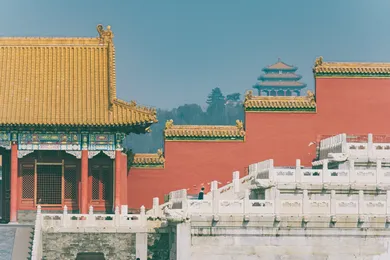
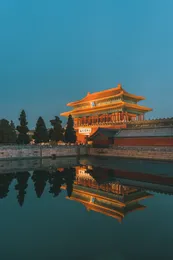
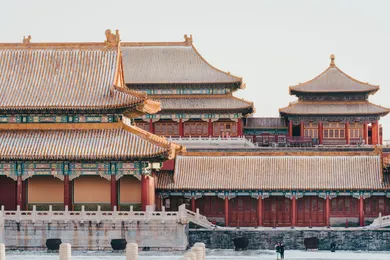
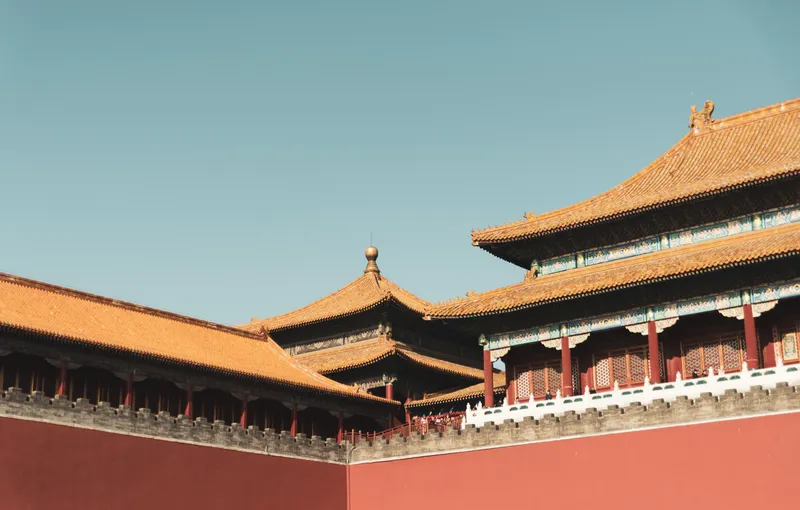
The Forbidden City, also called the Purple Forbidden City, was the imperial palace of the Ming and Qing dynasties, at the centre of Beijing's Central Axis. It covers 720,000 square metres, with about 150,000 square metres of buildings, more than 70 halls and palaces and over 9,000 rooms. It is the largest and most complete surviving wooden architectural complex in the world and was inscribed as a UNESCO World Heritage Site in 1987. The front halls were built to be grand and imposing, with bright, open courtyards that expressed the supreme authority of the imperial regime. The design and construction are an unmatched masterpiece: the plan, the three-dimensional effect and the imposing, stately, solemn and harmonious forms are rarely seen anywhere in the world. Highlights include the Hall of Supreme Harmony (Throne Hall), Palace of Heavenly Purity, Imperial Garden and Treasure Gallery. Tip: Book online in advance; the museum is closed on Mondays. Practical info: located at 4 Jingshan Front Street, Dongcheng District, Beijing; admission ¥60 peak / ¥40 off-peak; open 08:30–17:00 (closed Mondays).

  • Address: 4 Jingshan Front Street, Dongcheng District, Beijing
  • Ticket: Peak ¥60 / off-peak ¥40
  • Opening: 08:30–17:00 (closed Mondays)
The Forbidden City
The Forbidden City
The Forbidden City
Tiananmen Square

Tiananmen Square

Recommend 4.9 / 5

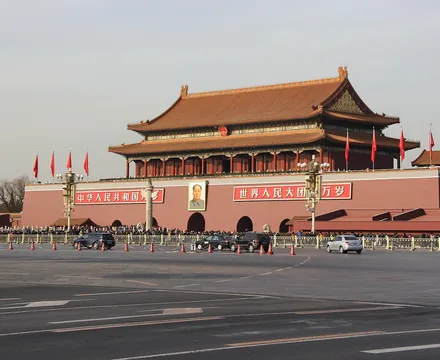
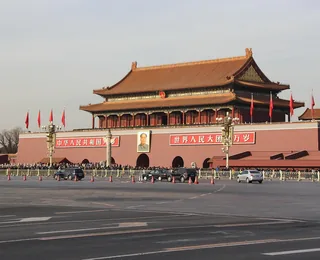
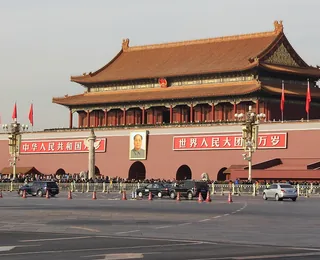
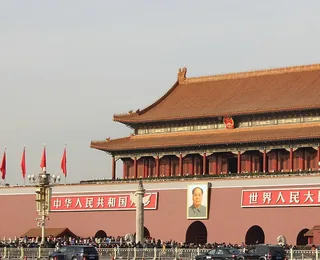
Tiananmen Square measures 880 metres north-south and 500 metres east-west, covering about 440,000 square metres, the core public space on Beijing's Central Axis. Tiananmen Gate at the north end was first built in 1417, the 15th year of the Yongle reign, and was the main gate of the Ming and Qing imperial city. The Monument to the People's Heroes at the centre had its foundation stone laid in 1949 and was completed in 1958, standing 37.94 metres tall. The Mao Zedong Memorial Hall to the south, the Great Hall of the People to the west and the National Museum of China to the east frame the square as it is today. The flag-raising ceremony is held at sunrise every morning, and visitors from all over the country arrive an hour early. Tip: Visits require a real-name reservation 1–7 days ahead and your original ID document; queue at the security checkpoint an hour before the flag-raising. Practical info: located on East Chang'an Avenue, Dongcheng District, Beijing; admission free (real-name reservation required); open 05:00–22:00 (flag-raising follows sunrise; subject to official notice). Plan your stay according to opening hours and your energy.

Tip: Book 1–7 days ahead with your real name and bring your original ID document; arrive an hour before flag-raisin…

  • Address: East Chang'an Avenue, Dongcheng District, Beijing
  • Ticket: Free (real-name reservation required)
  • Opening: 05:00–22:00 (flag-raising follows sunrise; subject to official notice)
Tiananmen Square
Tiananmen Square
Tiananmen Square
Badaling Great Wall

Badaling Great Wall

Recommend 4.8 / 5

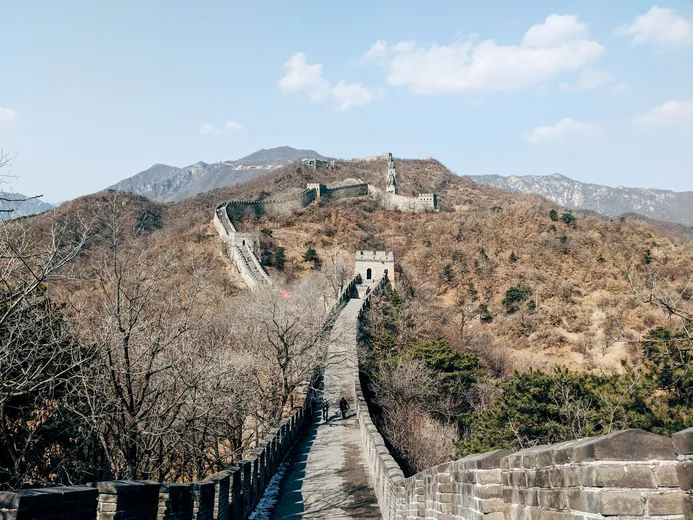
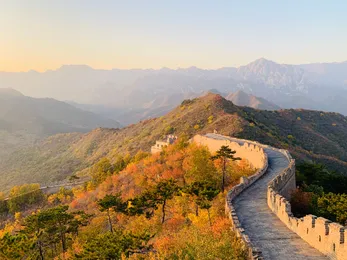
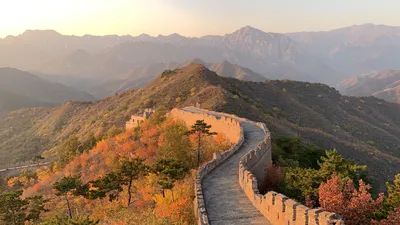
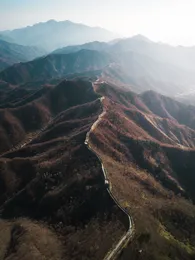
Badaling is the best-preserved and most representative section of the Ming Great Wall, at the northern mouth of the Guogou Ancient Road in the Jundu Mountains of Yanqing District, Beijing. The terrain is steep and the fortifications imposing; since ancient times it has been a strategic military point guarding the imperial tombs and the capital. 'You are not a true man until you have reached the Great Wall.' Badaling is a must for visitors to Beijing from home and abroad, and has so far received more than 130 million Chinese and foreign visitors. Winding through the high mountains and built along the ridges, Badaling is grand and majestic, and was the earliest section of the Great Wall opened to visitors. Badaling is the best-preserved and most representative section of the Ming Great Wall, winding through the high ridges of the Jundu Mountains above 1,000 metres. Its walls are solid and imposing, and since ancient times it has been a military stronghold guarding the imperial tombs and the capital. 'You are not a true man until you have reached the Great Wall' — the section has received more than 100 million Chinese and foreign visitors. Highlights include the North Eighth Tower (Beibadaling), Hero Slope and the Beijing-Viewing Stone. Tip: Take the S2 suburban railway and start early to avoid the crowds. Practical info: located at Badaling Town, Yanqing District, Beijing; admission ¥40 peak / ¥35 off-peak; open 06:30–19:00.

  • Address: Badaling Town, Yanqing District, Beijing
  • Ticket: Peak ¥40 / off-peak ¥35
  • Opening: 06:30–19:00
Badaling Great Wall
Badaling Great Wall
Badaling Great Wall

Local Food

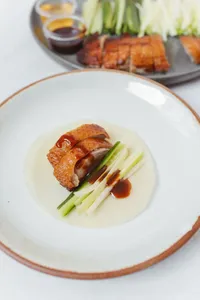
Peking Duck
Peking Duck
¥120–200/person
Crisp skin and tender meat, eaten with sweet bean sauce and thin pancakes; Quanjude and Da Dong each have their own style.
★ 4.9
Zhajiang Noodles
Zhajiang Noodles
¥15–25/person
Hand-rolled noodles topped with diced pork fried in yellow-bean paste — the homely taste of old Beijing.
★ 4.6
Instant-Boiled Mutton
¥80–120/person
Mutton slices cooked in a copper pot of clear broth and dipped in sesame paste — warming in winter.
★ 4.7
Douzhi and Jiaoquan
Douzhi and Jiaoquan
¥8–15/person
Fermented mung-bean drink with deep-fried dough rings — an authentic old-Beijing breakfast.
★ 4.3
Luzhu Huoshao
Luzhu Huoshao
¥20–35/person
Pork intestine, lung, fried tofu and wheat cakes simmered in a rich master stock, finished with garlic and coriander — robust, old-Beijing comfort food.
★ 4.5

Culture

Beijing's cultural heritage is deep and varied. Peking Opera, which combines singing, recitation, acting and acrobatics, is hailed as the 'national essence' and still stages classic repertoire at the Chang'an Grand Theatre and elsewhere. Hutongs and courtyard houses form the everyday fabric of old Beijing, where warmth between neighbours and the bustle of daily life hide among grey bricks and tiles. Tianqiao acrobatics and temple-fair folk performances keep popular art alive. The imperial ritual of the Forbidden City and the Central Axis urban plan are inscribed as World Heritage; the 7.8-kilometre axis from Yongdingmen to the Bell and Drum Towers embodies the highest wisdom of ancient Chinese capital planning. The Ditan Temple Fair at Spring Festival and the Lantern Festival lights each year keep this old capital's cultural life beating.