City Intro

History & Culture: Beihai has a long history. It opened to foreign trade in 1876 and was one of China's earliest treaty ports. The arcade street on Zhuhai Road in the old town preserves a modern architectural blend of Chinese and Western styles and recalls the prosperity of those years. Southern pearls have been famous since ancient times: 'Western pearls are not as good as eastern pearls, and eastern pearls are not as good as southern pearls.' Beihai's culture brings together the fishing culture of the Tanka people, southern pearl culture and its history as a treaty port. The Tanka made their homes on the sea for generations, developing a distinctive life on the water and a tradition of fishing songs. Hepu's southern pearls have been renowned since ancient times, and the story of 'pearls returning to Hepu' is still told today. The opening of the port in 1876 left a large stock of Chinese-Western arcade buildings. The annual Marine Culture Festival displays the richness of Beihai's maritime culture.

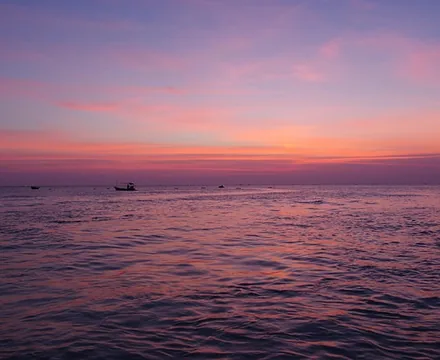
Geography: Beihai lies at the southern tip of Guangxi on the shore of the Beibu Gulf, surrounded by sea on three sides, with flat terrain. It has a southern subtropical marine monsoon climate, warm and humid all year, with fresh air and a high negative oxygen ion count. Beihai sits in the Guangxi Zhuang Autonomous Region, where landforms, rivers and climate have together shaped the city's spatial pattern. Spring (Mar–May) is pleasant; summer (Jun–Sep) is best for a seaside holiday, with sunshine and sand. Natural and cultural sites are fairly concentrated, so a one- or two-day itinerary by area works well. Light, vegetation and water levels change with the seasons; check the weather and official notices before setting out. Roads and railways are the main connections, and the main sights can be linked from the city or county town.

Highlights: Swim at Silver Beach, dive at Weizhou Island, stroll the old street and sample the seafood, enjoying the blue sea and sky of the Beibu Gulf at an easy pace. Core sights include Beihai Silver Beach, Weizhou Island, Jinhai Bay Mangrove Forest and Beihai Old Street (Zhuhai Road). They cover history, nature and city life, and can be combined freely. Pair the main sights with nearby streets, museums or food streets for a half- or full-day route. If time allows, slow down and leave room for walking and meals. First-time visitors can start with the most representative sights, then add museums, old streets or nature as time allows. Local food is part of the itinerary — save a meal for a time-honoured shop or a local market.

Food Culture: Beihai is all about seafood: shrimp cakes are crisp outside and tender within, full of shrimp flavour; sandworms are sweet, crisp and highly nutritious; crab noodle soup has a rich, fresh broth; and charcoal-grilled oysters, tender and juicy, are a must at the night market.

Attractions

More >
Beihai Silver Beach

Beihai Silver Beach

Recommend 4.6 / 5

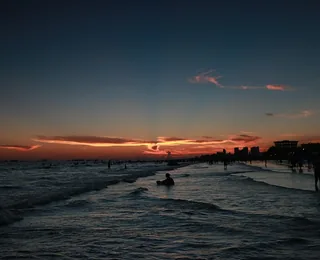
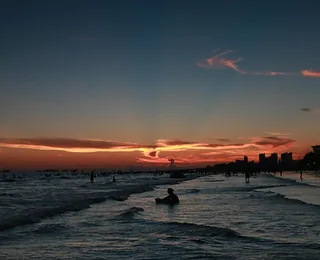
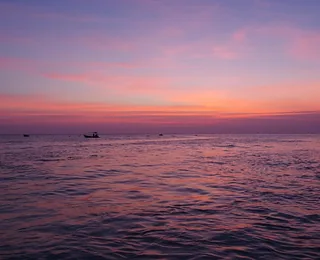
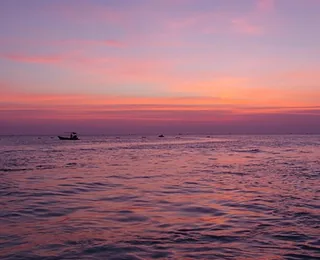
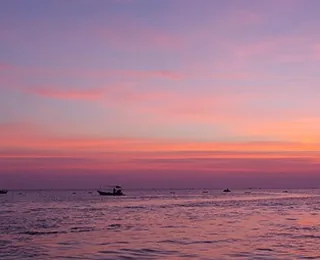
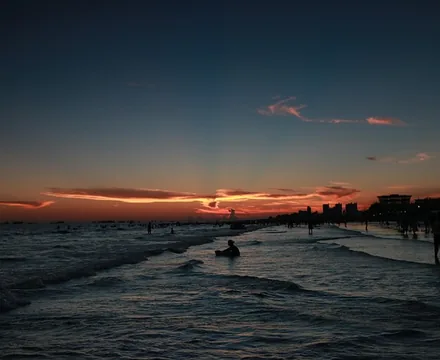
Beihai Silver Beach is one of China's largest natural bathing beaches, named for its very high content of silver-white quartz sand. The beach runs 24 kilometres with a gentle slope and clear, transparent water. The sand is as fine as flour and glints silver in the sun, making this an ideal place for sunbathing and a seaside holiday. The scenic area also has Silver Beach Park, a musical fountain and other facilities. Highlights include the sunrise at Silver Beach. A 24-kilometre stretch of white quartz sand with a gentle slope and clear water, praised as 'the finest beach under heaven' for its long flat shore, fine white sand and clean warm water. Tip: Go in the late afternoon to enjoy a beautiful sunset over the sea. Practical info: located at Yintan Avenue, Yinhai District, Beihai, Guangxi Zhuang Autonomous Region; admission free; open all day. Best season: spring (Mar–May) is pleasant; summer (Jun–Sep) is best for a seaside holiday, with sunshine and sand. Combine with Weizhou Island, Jinhai Bay Mangrove Forest and Beihai Old Street (Zhuhai Road) for a half-day or full-day itinerary.

  • Address: Yintan Avenue, Yinhai District, Beihai, Guangxi Zhuang Autonomous Region
  • Ticket: Free
  • Opening: All day
Beihai Silver Beach
Beihai Silver Beach
Beihai Silver Beach
Weizhou Island

Weizhou Island

Recommend 4.7 / 5

Weizhou Island is China's largest volcanic island, formed by eruptions and covering about 24.74 square kilometres. The island preserves a complete volcanic landscape, and Crocodile Hill Volcano Park is the best place to see the volcanic rock. Dishui Danping takes its name from spring water dripping down a red volcanic cliff, and Wucai Beach is an excellent spot for sunrise. Rich coral reefs surround the island, making it a paradise for divers. China's largest and youngest volcanic island, with Crocodile Hill Volcano Park, Dishui Danping and Wucai Beach, ringed by coral reefs — a favourite for diving, sea views and sunset photography. Highlights include Shiluokou Beach. Tip: The boat from Beihai takes about an hour; book boat tickets and accommodation in advance. Practical info: located at Weizhou Town, Haicheng District, Beihai, Guangxi Zhuang Autonomous Region; admission ¥115 (includes island admission; boat ticket separate); open all day (boat access required). Best season: spring (Mar–May) is pleasant; summer (Jun–Sep) is best for a seaside holiday, with sunshine and sand.

  • Address: Weizhou Town, Haicheng District, Beihai, Guangxi Zhuang Autonomous Region
  • Ticket: ¥115 (includes island admission; boat ticket separate)
  • Opening: All day (boat access required)
Weizhou Island
Weizhou Island
Weizhou Island
Jinhai Bay Mangrove Forest

Jinhai Bay Mangrove Forest

Recommend 4.7 / 5

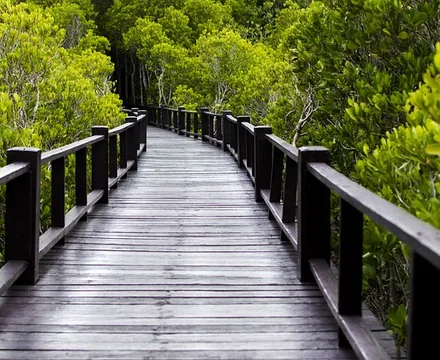
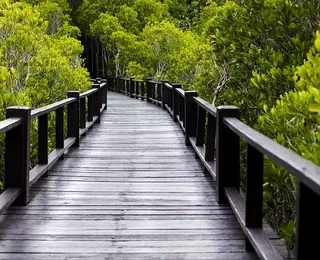
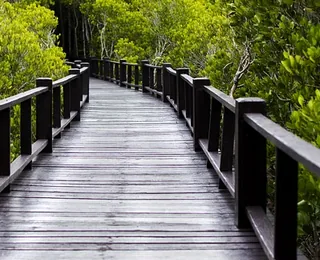
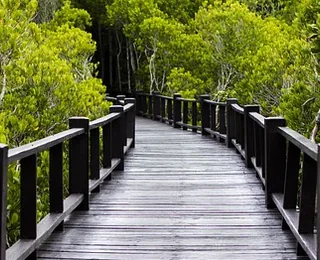
Jinhai Bay Mangrove Forest lies east of Beihai Silver Beach and holds more than 3,000 mu of mangroves, a typical intertidal ecosystem of the Beibu Gulf. Boardwalks link the mangroves, tidal flats and birdwatching points; at low tide visitors can forage on the flats and watch fiddler crabs, mudskippers and egrets. Mangroves break wind and waves, purify seawater and shelter juvenile marine life, making this a good open-air lesson in coastal ecology. A mangrove reserve beside Beihai's urban area, where more than 3,000 mu of sea forest expose their aerial roots with the tide. Boardwalks, tidal-flat foraging and birdwatching are the main draws; at low tide you can walk far out onto the flats, a good complement to the pure beach experience at Silver Beach. Highlights include the mangrove boardwalk, tidal-flat foraging, egrets and fiddler crabs, and the intertidal ecology. Tip: Check the tide table before setting out; the 1–2 hours around low tide are best for foraging. Use sun protection and mosquito repellent, and wear shoes that can get wet. Practical info: located at Yintan Avenue, Yinhai District, Beihai; admission about ¥80 (includes shuttle bus; subject to official notice); open 08:30–17:30 (the tide affects foraging times).

  • Address: Yintan Avenue, Yinhai District, Beihai
  • Ticket: About ¥80 (includes shuttle bus; subject to official notice)
  • Opening: 08:30–17:30 (the tide affects foraging times)
Jinhai Bay Mangrove Forest

Local Food

Beihai Shrimp Cake
Beihai Shrimp Cake
¥10–20/person
Fresh shrimp dipped in batter and deep-fried, crisp outside and tender inside with plenty of shrimp flavour — a classic old-street snack.
★ 4.4
Sandworm
Sandworm
¥50–80/person
A Beibu Gulf specialty sea worm, sweet and crisp, good stir-fried or in soup and highly nutritious.
★ 4.4
Crab Noodle Soup
Crab Noodle Soup
¥15–25/person
Rice noodles in a broth made from local small crabs, fresh and full-flavoured with generous toppings — an authentic breakfast.
★ 4.4
Charcoal-Grilled Oysters
¥30–50/person
Plump oysters grilled over charcoal with garlic, tender and juicy — a must-order seafood at the night market.
★ 4.7

Culture

Beihai's culture blends Tanka fishing culture, southern pearl culture and its history as a treaty port. The Tanka made their home on the sea for generations, creating a distinctive way of life on the water and a culture of fishing songs. Hepu's southern pearls have been famous since ancient times, and the story of 'pearls returning to Hepu' is still told. The opening of the port in 1876 left many Chinese-Western arcade buildings, and the annual Marine Culture Festival showcases the richness of Beihai's maritime culture.