History & Culture: Guilin has over 2,000 years of history since being established as a commandery during the Qin Dynasty. The renowned phrase "Guilin's scenery is the finest under heaven" has echoed through millennia. Cliff inscriptions line the Li River banks, the Jingjiang Prince's Mansion recounts Ming Dynasty tales, and the Lingqu Canal — a Qin-era engineering marvel linking the Yangtze and Pearl River systems — witnesses the early fusion of Central Plains and Lingnan cultures. Guilin's landscape has nurtured a distinctive folk-song culture and multi-ethnic customs. At the Zhuang "March Third" song fair, young men and women sing to express love and to choose partners, and the legend of Liu Sanjie is the artistic embodiment of this tradition. Ethnic handicrafts such as Zhuang brocade and Yao embroidery are exquisite, and the Dong Grand Chorus is renowned worldwide for its polyphonic singing without a conductor or accompaniment. Cliff inscriptions along the banks of the Li River have continued without a break since the Tang and Song, recording the literati's praises of the landscape. The Jingjiang Princes' City carries the culture of Ming princely fiefs, and the famous line "Guilin's scenery is the finest under heaven" was first carved on the rock face of Solitary Beauty Peak. Guilin blends natural beauty with cultural charm, creating the distinctive experience of "travelling within a painting."
Geography: A quintessential karst landscape where the Li River winds like a jade ribbon through the city. Limestone peaks rise dramatically from the earth, caves display endless formations, and a warm, humid subtropical climate with abundant rainfall has painted one of the world's most celebrated landscape scrolls. Guilin lies in Guangxi, where landforms, rivers and climate together shape the city's spatial pattern. Spring and autumn (April–May, September–November) have moderate rainfall, when the Li River scenery is at its clearest and most beautiful. Natural and cultural sites are relatively concentrated, so a one- or two-day itinerary by area works well. Light, vegetation and water levels change the look of the landscape with the seasons; check the weather and scenic-area notices before setting out. Roads and railways are the main connections, and major sights can be linked from the city or county town.
Highlights: Float the Li River by bamboo raft, see the iconic silhouette of Elephant Trunk Hill, wander the international-flavoured West Street in Yangshuo and climb to the Longji terraces to see farming among the clouds — like entering an ink-wash painting. Core sights include the Li River, Elephant Trunk Hill, Jingjiang Princes' City (Solitary Beauty Peak) and Yangshuo West Street. They cover history, nature and city life, and can be combined freely. Pair the main sights with nearby streets, museums or food streets for a half- or full-day route. If time allows, slow down and leave room for walking and rest. First-time visitors can start with the most representative sights, then add museums, old streets or nature as time allows.
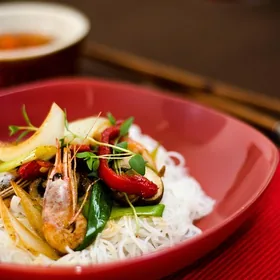
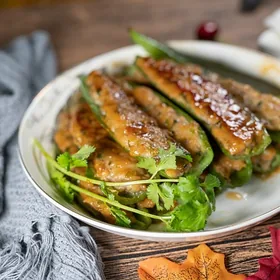
Food Culture: Guilin rice noodles are silky and fragrant with rich braised-meat toppings — every local's top breakfast choice. Beer fish is tender and flavorful, Lipu taro pork is soft and savory, and the flavors of northern Guangxi shine uniquely against this backdrop of mountains and waters.