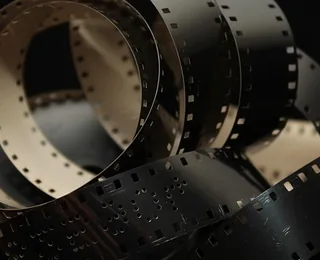
History & Culture: Changchun is the cradle of New China's automobile and film industries: the First Automobile Works and Changchun Film Studio were both founded here, while historic buildings left from the Manchukuo period, such as the Manchukuo Imperial Palace, bear witness to the modern era. Changchun's cultural heritage combines industrial memory with natural ecology. The Changchun Film Festival, one of Asia's largest international film festivals, is held every two years and is a major event in Chinese film culture. The Changchun Ice and Snow Festival takes place in winter, with spectacular ice sculptures and snow art. The World Sculpture Exhibition brings together works by artists from many countries, giving the city an international artistic atmosphere. Winter activities at Jingyuetan, including skiing and snow sculptures, are popular with visitors. As a 'Forest City', Changchun has an exceptionally high proportion of green space, with wide streets and a network of tree-lined avenues, making it a representative liveable tourist city in northeast China.
Geography: Changchun lies in the heart of the Songliao Plain in northeast China, with a mild climate and a high proportion of green space; its wide streets and network of tree-lined avenues once earned it the name 'Forest City'. Changchun sits in Jilin Province, where landforms, rivers and climate have together shaped the city's spatial pattern. Summer (Jun–Aug) is cool; winter (Dec–Feb) offers skiing and ice scenery. Natural and cultural sites are fairly concentrated, so a one- or two-day itinerary by area works well. Light, vegetation and water levels change with the seasons; check the weather and official notices before setting out. Roads and railways are the main connections, and the main sights can be linked from the city or county town. Natural and cultural sites around the city can usually be linked by road or rail, which suits a half-day or full-day outing.
Highlights: Explore the Manchukuo Imperial Palace, visit Jingyuetan, see the old Changchun Film Studio site and enjoy the Ice and Snow Festival, experiencing the industrial heritage and natural ecology of this northern spring city. Core sights include the Manchukuo Imperial Palace Museum, Jingyuetan National Forest Park, the Changchun Film Studio Museum and Changchun World Sculpture Garden. They cover history, nature and city life, and can be combined freely. Pair the main sights with nearby streets, museums or food streets for a half- or full-day route. If time allows, slow down and leave room for walking and meals. First-time visitors can start with the most representative sights, then add museums, old streets or nature as time allows.
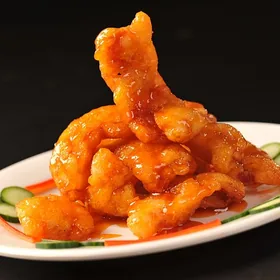
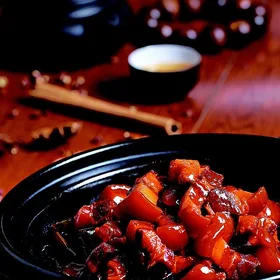
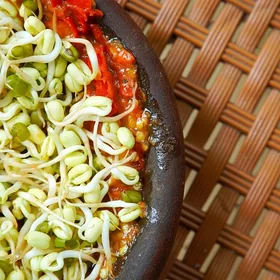
Food Culture: Guobaorou is crisp outside and tender inside, sweet and sour; Changchun braised pork is rich but not greasy, with a deep savoury sauce; snow-coated red bean paste is white as snow outside and soft and sweet within; and Korean cold noodles are tangy and refreshing.