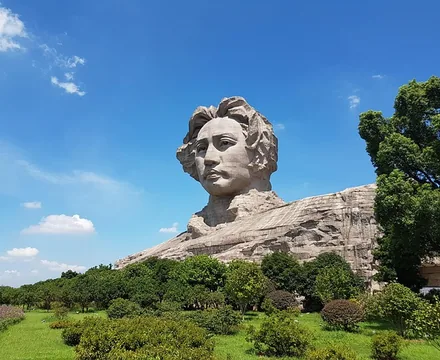
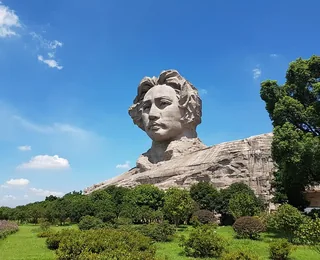
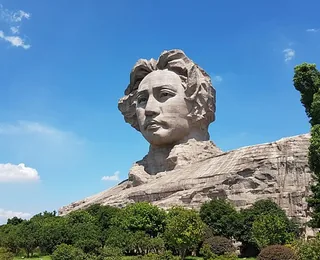
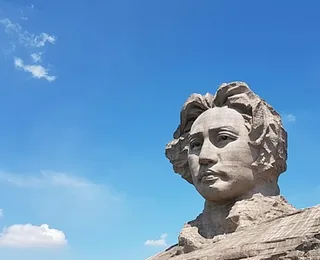
History & Culture: Changsha, also called Star City, lies on the lower Xiang River in the Chang-Liu Basin. It is the capital of Hunan Province and a national historical and cultural city. The astonishing discoveries at the Mawangdui Han tombs and the thousand-year scholarly tradition of Yuelu Academy testify to the depth of Huxiang culture. Changsha is a city where historical depth and trendy street life intertwine. Huxiang culture has a long history: Yuelu Academy's scholarly tradition has never broken, the Mawangdui Han tombs astonished the world, and the Mao Zedong Youth Statue stands by the river at Orange Island Head. In recent years Changsha has become an internet-famous city through Super Wenheyou, Chayan Yuese and the nightlife of Jiefang West, fusing weighty history with youthful energy. Events such as the Changsha International Marathon give this ancient city a fresh vitality.
Geography: Located on the lower Xiang River in the Chang-Liu Basin, Changsha has a subtropical monsoon climate — warm and humid with four distinct seasons. The Mao Zedong Youth Statue stands by the river at Orange Island Head; the Xiang flows north and Yuelu Mountain screens the city to the west, giving a distinctive mountain-river-island-city layout. Changsha sits in Hunan Province, where landforms, rivers and climate have together shaped the city's spatial pattern. Spring (Mar–May) brings lush flowers and trees; autumn (Sep–Nov) is clear and fresh — the most pleasant times. Natural and cultural sites are fairly concentrated, so a one- or two-day itinerary by area works well. Light, vegetation and water levels change with the seasons; check the weather and official notices before setting out. Natural and cultural sites around the city can usually be linked by road or rail, which suits a half-day or full-day outing.
Highlights: Climb Yuelu Mountain, visit Orange Island, see the Mawangdui treasures and taste stinky tofu, experiencing the historical depth and trendy bustle of this internet-famous city. Core sights include Yuelu Mountain and Yuelu Academy, Orange Island, Hunan Museum and Tianxin Pavilion. They cover history, nature and city life, and can be combined freely. Pair the main sights with nearby streets, museums or food streets for a half- or full-day route. If time allows, slow down and leave room for walking and meals. First-time visitors can start with the most representative sights, then add museums, old streets or nature as time allows. Local food is part of the itinerary — save a meal for a time-honoured shop or a local market.
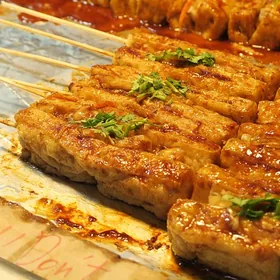
Food Culture: Changsha's food is boldly hot: stinky tofu is crisp outside and tender inside, chopped-chilli fish head is salty, spicy and savoury, kouwei crawfish is numbing and irresistible, and sugar-oil baba is sweet without cloying. The scent of Chayan Yuese drifts through the streets.