History & Culture: Zhangjiajie lies in northwestern Hunan, in the heart of the Wuling Mountains. Originally named Dayong, it became a city because of tourism. Famous for its quartz sandstone peak-forest scenery, it is inscribed on the UNESCO World Natural Heritage list. Zhangjiajie is home to the Tujia, Bai and other ethnic minorities; the Tujia hand-waving dance and Maogusi dance are passionate and uninhibited. Sangzhi folk songs are listed as national-level intangible cultural heritage. The Zhangjiajie International Forest Protection Festival is held every year to promote ecological protection. Zhangjiajie lies in Hunan Province and has formed a distinctive urban memory through regional history and cultural exchange. From ancient settlements to the modern city, city walls, lanes, temples and guild halls record historical layers from different periods.
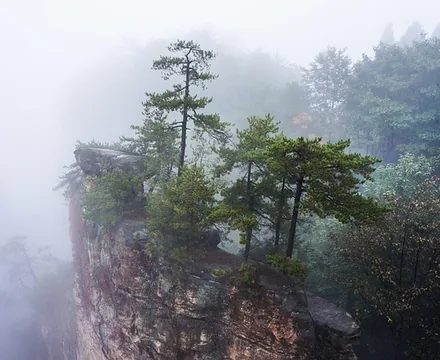
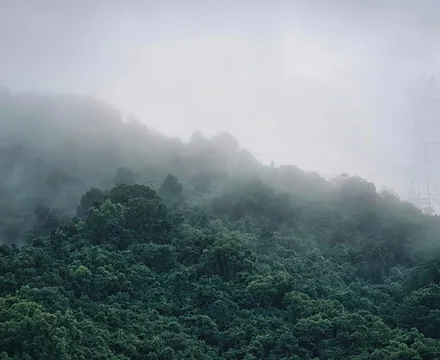
Geography: It lies in the heart of the Wuling Mountains, with a distinctive quartz sandstone peak-forest landform: three thousand extraordinary peaks rise from the ground and eight hundred fine streams wind among them. Forest cover is high and negative oxygen ions are abundant — a natural oxygen bar. Zhangjiajie is located in Hunan Province, where landforms, rivers and climate together shape the city's layout. Spring (Apr–Jun) has pleasant weather; autumn (Sep–Nov) sets the forest ablaze with colour. Natural and cultural sites are relatively concentrated, so one- or two-day itineraries by area work well. Light, vegetation and water levels change with the seasons, so check the weather and scenic-area notices before setting out. Road and rail are the main connections, and major sights can be linked from the city or county seat.
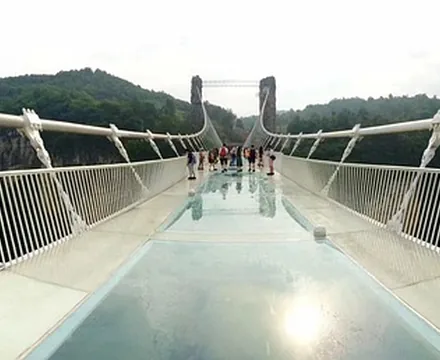
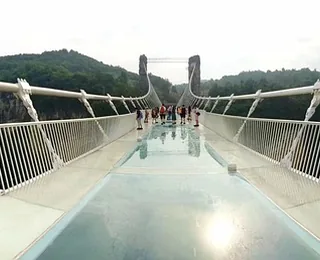
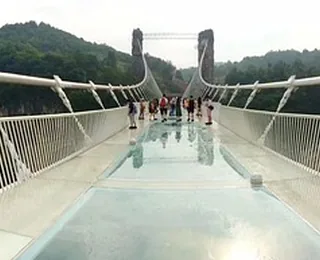
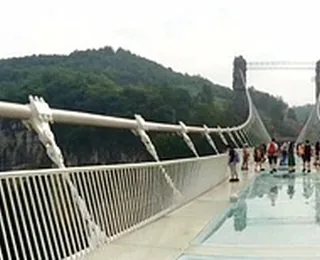
Highlights: Three thousand peaks in the national forest park, the glass walkway on Tianmen Mountain and the Grand Canyon glass bridge; experience the floating mountains of Avatar. Core sights include Zhangjiajie National Forest Park, Tianmen Mountain National Forest Park, the Grand Canyon Glass Bridge and Yellow Dragon Cave. They cover history, nature and city life and can be combined freely. Pair the core sights with nearby streets, museums or food streets for a half- or full-day route. If time allows, slow down and leave room for walking and rest. First-time visitors can start with the most representative sights, then add museums, old streets or natural areas as time permits.
Food Culture: Zhangjiajie's food has a western Hunan character: sanxiaguo is numbing, spicy and savoury, Tujia cured meat is smoked over firewood, and meicha has a sweet, refreshing aftertaste.