History & Culture: Dali was once the capital of the Nanzhao Kingdom and the Dali Kingdom. With a thousand years of history, it is the core birthplace of Bai culture. The Tea Horse Road reached out in all directions, and the Three Pagodas of Chongsheng Temple bear witness to the flourishing of Buddhist culture. Dali is the heartland of the Bai people. The Bai Third Month Fair is a great ethnic festival where market trading and singing and dancing come together. Raosanling is an ancient Bai religious rite in which a procession travels between Cangshan and Erhai to pray for favourable weather. Bai tie-dye uses indigo woad as a dye, with patterns tied by hand, and is a national intangible cultural heritage. The four scenes of 'wind, flower, snow and moon' — Xiaguan wind, Shangguan flowers, Cangshan snow and Erhai moon — are not only natural scenery but a poetic expression of the Bai people's romantic feeling. The Bai three courses of tea, 'first bitter, second sweet, third with an aftertaste', contain a philosophy of life and are the highest courtesy Dali offers guests.
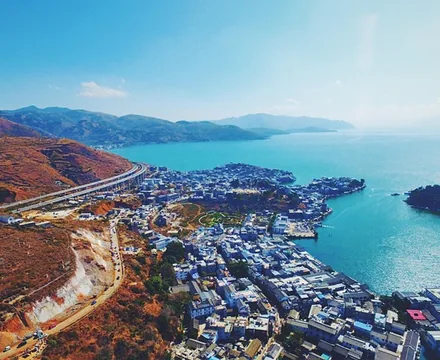
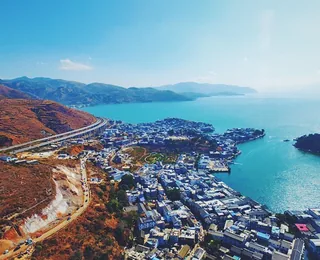
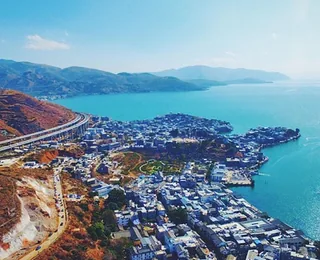
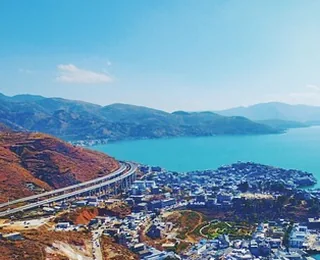
Geography: Dali lies in western Yunnan between Cangshan and Erhai, with the nineteen peaks of Cangshan ranged across and Erhai stretching vast and blue; highland lake and mountain interweave into a magnificent natural picture. Dali sits in Yunnan Province, where landforms, rivers and climate have together shaped the city's spatial pattern. Spring (Mar–May) brings mountain flowers in bloom; autumn (Sep–Nov) has clear skies and pleasant temperatures. Natural and cultural sites are fairly concentrated, so a one- or two-day itinerary by area works well. Light, vegetation and water levels change with the seasons; check the weather and official notices before setting out. Roads and railways are the main connections, and the main sights can be linked from the city or county town.
Highlights: Cycle around Erhai, stroll through Dali Old Town, take in the views from Cangshan and pray at the Three Pagodas, and experience Bai tie-dye and the three courses of tea. Core sights include Dali Old Town, Cangshan, Erhai and the Three Pagodas of Chongsheng Temple. They cover history, nature and city life, and can be combined freely. Pair the main sights with nearby streets, museums or food streets for a half- or full-day route. If time allows, slow down and leave room for walking and meals. First-time visitors can start with the most representative sights, then add museums, old streets or nature as time allows. Local food is part of the itinerary — save a meal for a time-honoured shop or a local market.
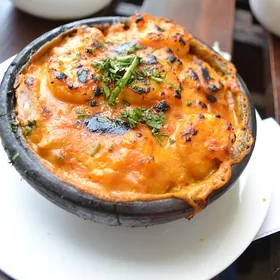
Food Culture: Bai cooking prizes freshness and aroma: casserole fish takes the fresh catch of Erhai, rushan is rich with milk, Xizhou baba is crisp and delicious, and the three courses of tea — 'first bitter, second sweet, third with an aftertaste' — give the meal a sense of ritual.