City Intro

History & Culture: Hohhot was historically a political and military stronghold south of the Gobi. Guihua City of the Ming dynasty and Suiyuan City of the Qing dynasty established the city's layout; it is where grassland culture meets the farming civilisation of the Yellow River, with many temples and a strong Tibetan Buddhist atmosphere. Hohhot's cultural heritage blends Mongolian grassland culture with the farming civilisation of the Central Plains. The Naadam festival is the greatest traditional Mongolian festival, with wrestling, horse racing and archery. The Grassland Culture Festival showcases Mongolian song and dance, the morin khuur and other arts. The Zhaojun Culture Festival commemorates the historical story of Wang Zhaojun's marriage alliance beyond the frontier. Tibetan Buddhist temples such as Dazhao Temple and Xilitu Zhao testify to Hohhot's religious culture as a 'city of temples'. Mongolian long song, khoomei and morin khuur are inscribed on the world intangible cultural heritage list and are treasures of grassland culture.

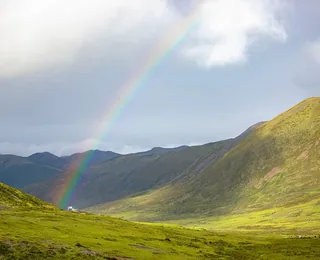
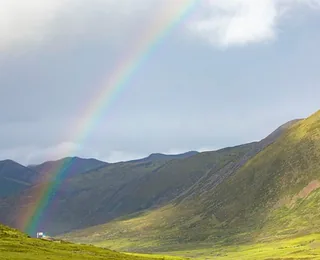
Geography: Located in central Inner Mongolia, at the southern foot of the Daqing Mountains on the Tumochuan Plain, its Mongolian name means 'blue city'. It backs onto the Yin Mountains to the north and faces the Yellow River to the south, in the farming-pastoral transition zone. Hohhot lies in the Inner Mongolia Autonomous Region, where landforms, rivers and climate together shape the city's layout. Summer and autumn (Jun–Sep) bring lush grass and the finest grassland scenery; in winter you can experience Mongolian New Year customs. Natural and cultural sites are fairly concentrated, so a one- or two-day itinerary by area works well. Light, vegetation and water levels change with the seasons; check the weather and scenic-area notices before setting out. Roads and railways are the main transport, and major sights can be linked from the city or county town.

Highlights: Ride horses and stay in a yurt, watch Naadam and visit Dazhao Temple to experience Mongolian customs and grassland scenery. Core sights include Dazhao Temple, Wuta Temple (Vajra Seat Stupa), Xilamuren Grassland and the Zhaojun Museum. They cover history, nature and city life, and can be combined freely to suit your interests. Pair the main sights with nearby streets, museums or food streets for a half- or full-day route. If time allows, slow down and leave room for walking and rest. First-time visitors can start with the most representative sights, then add museums, old streets or natural areas as time permits. Local food is part of the trip too — save a meal for a time-honoured shop or a local market.

Food Culture: Dominated by beef, mutton and dairy: hand-grabbed mutton is fresh and tender with no gamey smell, lamb offal soup is savoury and warming, oat noodles are chewy and comforting, and Mongolian milk tea is salty, fragrant and rich.

Attractions

More >
Dazhao Temple

Dazhao Temple

Recommend 4.6 / 5

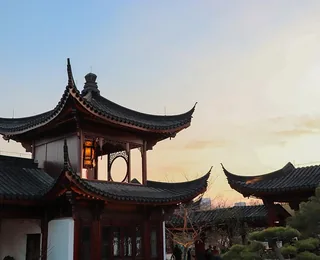
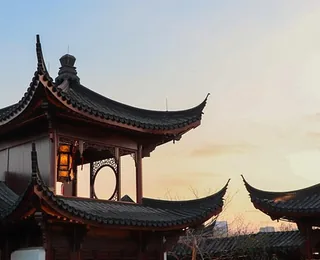
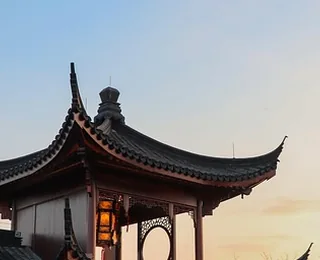
Dazhao Temple was first built during the Wanli era of the Ming dynasty and is the earliest Tibetan Buddhist temple in Hohhot. Its silver statue of Shakyamuni is 2.55 metres tall and used 30,000 taels of silver — the temple's greatest treasure. The buildings are richly painted and blend Han, Mongolian and Tibetan artistic styles. Highlights include the silver Buddha, dragon carvings, murals and the Mahavira Hall. Hohhot's earliest Tibetan Buddhist temple, known for its silver statue of Shakyamuni, with richly painted buildings and throngs of worshippers. Tip: visit in the morning for better light. Practical info: located at Dazhao Front Street, Yuquan District, Hohhot, Inner Mongolia; ticket ¥35; opening hours 08:00–18:00. Best season: summer and autumn (Jun–Sep) bring lush grass and the finest grassland scenery; in winter you can experience Mongolian New Year customs. Combine with Wuta Temple (Vajra Seat Stupa), Xilamuren Grassland and the Inner Mongolia Museum in Hohhot for a half-day or full-day itinerary. Check the day's opening and reservation rules before you go, and allow enough time to explore.

Tip: Visit in the morning for better light.

  • Address: Dazhao Front Street, Yuquan District, Hohhot, Inner Mongolia
  • Ticket: ¥35
  • Opening: 08:00–18:00
Dazhao Temple
Dazhao Temple
Dazhao Temple
Wuta Temple (Vajra Seat Stupa)

Wuta Temple (Vajra Seat Stupa)

Recommend 4.5 / 5

Wuta Temple was first built during the Yongzheng era of the Qing dynasty as a Vajra Seat Stupa. The stupa is about 16 metres tall and carved with 1,563 Buddha images, earning it the name 'Stupa of a Thousand Buddhas'. Behind the stupa is a Mongolian astronomical chart, a rare example in the world. Highlights include the Buddhist reliefs. A Qing dynasty brick-and-stone stupa carved with Buddhist motifs and an astronomical chart, it is an important historic building in Hohhot; the south face bears a Mongolian astronomical chart, a rare stone-carved example in China. Tip: visit together with Dazhao Temple, which is close by. Practical info: located at Wuta Temple Back Street, Yuquan District, Hohhot, Inner Mongolia; ticket ¥35; opening hours 09:00–17:00. Best season: summer and autumn (Jun–Sep) bring lush grass and the finest grassland scenery; in winter you can experience Mongolian New Year customs. Combine with Dazhao Temple, Xilamuren Grassland and the Inner Mongolia Museum in Hohhot for a half-day or full-day itinerary. Check the day's opening and reservation rules before you go, and allow enough time to explore.

Tip: Visit together with Dazhao Temple, which is close by.

  • Address: Wuta Temple Back Street, Yuquan District, Hohhot, Inner Mongolia
  • Ticket: ¥35
  • Opening: 09:00–17:00
Wuta Temple (Vajra Seat Stupa)
Xilamuren Grassland

Xilamuren Grassland

Recommend 4.4 / 5

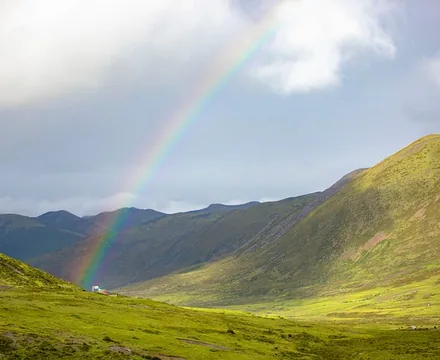
Xilamuren Grassland lies north of Hohhot, about 80 km from the city, and is the grassland tourist area closest to Hohhot. In summer the green waves stretch endlessly, and visitors can ride horses, stay in yurts, taste hand-grabbed mutton and watch Mongolian song and dance performances. Highlights include horse riding, yurt stays, Naadam performances and the grassland night sky. A well-known grassland close to the city, where you can ride horses, visit herders and watch song and dance; in summer the green waves stretch to the horizon under brilliant stars. Tip: go in summer for the finest grassland scenery. Practical info: located at Xilamuren Town, Darhan Muminggan Joint Banner, Hohhot, Inner Mongolia; free entry (horse riding and other activities charged separately); open all day. Best season: summer and autumn (Jun–Sep) bring lush grass and the finest grassland scenery; in winter you can experience Mongolian New Year customs. Combine with Dazhao Temple, Wuta Temple (Vajra Seat Stupa) and the Inner Mongolia Museum in Hohhot for a half-day or full-day itinerary.

Tip: Go in summer for the finest grassland scenery.

  • Address: Xilamuren Town, Darhan Muminggan Joint Banner, Hohhot, Inner Mongolia
  • Ticket: Free (horse riding and other activities charged separately)
  • Opening: All day
Xilamuren Grassland
Xilamuren Grassland
Xilamuren Grassland

Local Food

Hand-grabbed Mutton
Hand-grabbed Mutton
¥60–100/person
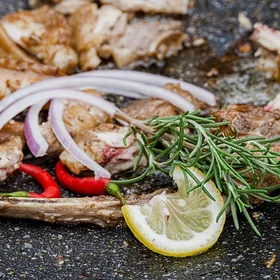
Mutton boiled in plain water and cut into pieces, eaten by hand — fresh, tender and free of gamey smell, best with chive-flower sauce.
★ 4.7
Lamb Offal Soup
Lamb Offal Soup
¥15–25/person
Lamb heart, liver, spleen and lung simmered in broth, served with chilli oil and baked flatbread — a Hohhot breakfast favourite.
★ 4.4
Oat Noodles
Oat Noodles
¥20–35/person
Made from highland coarse grains, rolled into nests or rubbed into little fish shapes and dipped in mutton broth — chewy and warming.
★ 4.4
Mongolian Milk Tea
Mongolian Milk Tea
¥10–20/person
Salty brick tea boiled with fresh milk, served with fried rice and milk skin — the everyday grassland drink, warming and cutting through richness.
★ 4.4
Shaomai
Shaomai
¥20–35/person
Mutton and spring onion filling in paper-thin wrappers, sold by weight and served with brick tea to cut the richness — a Hohhot breakfast signature.
★ 4.7

Culture

Hohhot's cultural heritage blends Mongolian grassland culture with the farming civilisation of the Central Plains. The Naadam festival is the greatest traditional Mongolian festival, with wrestling, horse racing and archery. The Grassland Culture Festival showcases Mongolian song and dance, the morin khuur and other arts. The Zhaojun Culture Festival commemorates the historical story of Wang Zhaojun's marriage alliance beyond the frontier. Tibetan Buddhist temples such as Dazhao Temple and Xilitu Zhao testify to Hohhot's religious culture as a 'city of temples'. Mongolian long song, khoomei and morin khuur are inscribed on the world intangible cultural heritage list and are treasures of grassland culture.