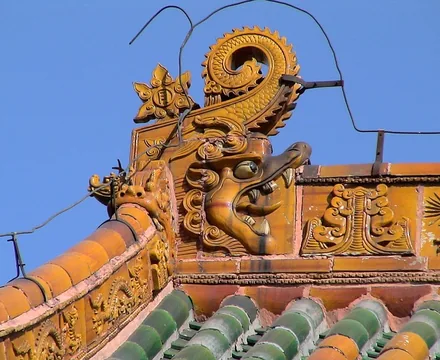
History & Culture: Shenyang is the birthplace of the Qing dynasty, where Nurhaci and Hong Taiji established their capital. The Shenyang Imperial Palace, Zhaoling Tomb and Fuling Tomb are all World Heritage Sites, giving the city the name 'birthplace of one dynasty, capital of two emperors'. Shenyang's cultural depth combines imperial grandeur with everyday street life. The Shenyang International Ice and Snow Festival is held in winter, with spectacular ice sculptures and snow art. The Qing Culture Festival centres on the Imperial Palace and showcases the essence of Manchu culture. The Huangsi Temple Fair keeps alive the folk customs of old Shenyang. As the 'eldest son of the Republic', Shenyang also has a distinctive industrial culture, and the China Industrial Museum records the birth and development of industry in New China. The September 18th History Museum preserves national memory and warns later generations. Shenyang's bathhouse culture and errenzhuan folk performance are also strongly local.
Geography: Shenyang lies in the middle of the Liaohe Plain on the banks of the Hun River, at the geographic centre of Northeast Asia. It is the largest central city and industrial base in the northeast, with a deep equipment-manufacturing heritage as the 'eldest son of the Republic'. Shenyang is in Liaoning Province, where landforms, rivers and climate together shape the city's layout. Autumn (September–October) is crisp and clear; winter (December–February) offers ice and snow. Natural and cultural sights are fairly concentrated, so a one- or two-day itinerary by area works well. Light, vegetation and water levels change with the seasons; check the weather and official notices before setting out. Roads and railways are the main connections, and the main sights can be linked from the city or county town.
Highlights: Tour the palace and two tombs, visit the Zhang Marshal's Mansion and remember September 18 — experience Shenyang's Qing history and street life. Core sights include the Shenyang Imperial Palace, Zhang Marshal's Mansion Museum, Qing Fuling (East Tomb) and Qing Zhaoling (Beiling). They cover history, nature and city life and can be combined freely. Pair the main sights with nearby streets, museums or food streets for a half- or full-day route. If time allows, slow down and leave room for walking and rest. First-time visitors can start with the most representative sights, then add museums, old streets or natural areas as time allows. Local food is part of the itinerary — save a meal for a time-honoured shop or a local market.
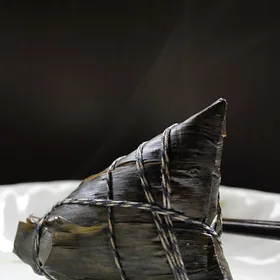
Food Culture: Laobian dumplings have thin skins, generous fillings and rich savoury broth; chicken racks can be smoked, grilled, dressed or boiled, and go perfectly with Laoxue beer; smoked meat pancakes have crisp pastry and savoury smoked meat; and Zhongjie popsicles are rich with milk.