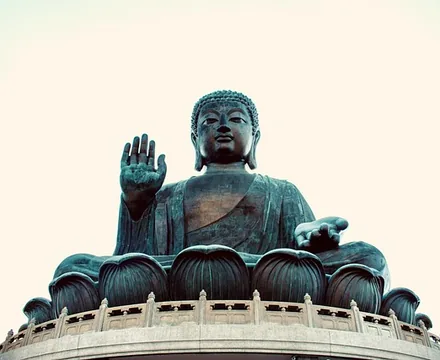
History & Culture: Zhangye takes its name from the phrase “spreading the empire's arm to reach the Western Regions” and was a key Silk Road town in the middle section of the Hexi Corridor; the Giant Buddha Temple, Mati Temple and the Heishuiguo ruins bear witness to the mixing of many ethnic groups. Zhangye is a meeting place of ethnic cultures in the Hexi Corridor, where Yugur, Tibetan and Han cultures coexist on the northern slope of the Qilian Mountains; the Mati Temple caves and the high-relief painted sculptures of Jinta Temple are treasures of early Buddhist art. Zhangye lies in Gansu Province and has formed a distinctive urban memory through regional history and cultural exchange. From ancient settlements to the modern city, walls, lanes, temples and guild halls from different periods remain as historical layers. Today museums, historic districts and local festivals still make the city's historical thread legible.
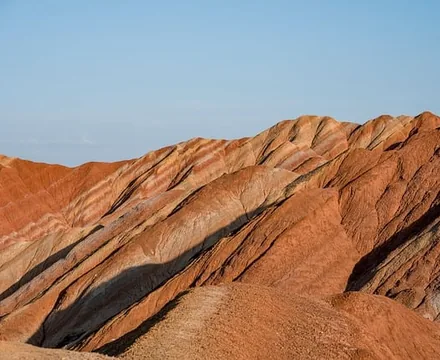
Geography: The Qilian Mountains rise to the south and the Heli Mountains stand to the north; the Hei River has built the Zhangye oasis, and Danxia, wetlands, grasslands and Gobi all lie within a day's drive. Zhangye is located in Gansu Province, where landforms, rivers and climate together shape the city's spatial pattern. Best June–October; September–October has the strongest Danxia colours; summer brings a big day-night temperature difference, so take care with sun protection. Natural and cultural sights are fairly concentrated, so a one- or two-day itinerary can be arranged by area. Light, vegetation and water levels change with the seasons; check the weather and official scenic-area notices before setting out. Roads and railways are the main connections, and the main sights can be linked from the city or county town.
Highlights: See the sunset over Rainbow Danxia, visit the reclining Buddha at the Giant Buddha Temple, climb to the Mati Temple caves, then go to the wetland park to see reeds and migratory birds. Core sights include Zhangye Rainbow Danxia, Zhangye Giant Buddha Temple, Mati Temple and Pingshanhu Canyon. These sights cover different sides of history, nature and city life and can be combined freely according to interest. It is worth linking the core sights with nearby streets, museums or food streets for a half-day or full-day itinerary. If time allows, slow down and leave room for walking and rest for a fuller experience. First-time visitors can start with the most representative core sights, then add museums, old streets or natural areas as time allows. Local food is part of the itinerary too — save mealtime for a time-honoured shop or a local market.
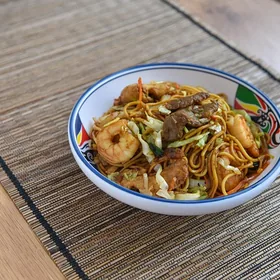
Food Culture: Cuoyu noodles, beef xiaofan, Linze jujubes and Shandan lamb are the Hexi flavours that blend oasis farming with nomadic tastes.