History & Culture: Zhoushan is a fishing ground of the East China Sea and an important coastal defence town; Putuo Shan has been Guanyin's sacred site since the Tang dynasty, and its three great temples together with Nanhai Guanyin form one of China's four great Buddhist mountains. Putuo Shan is the sacred site of Guanyin Bodhisattva, and the three great temples of Puji, Fayu and Huiji together with the Nanhai Guanyin statue form a complete pilgrimage system; Zhoushan's fisher culture, Mazu worship and Buddhism coexist. Zhoushan is located in Zhejiang Province and has formed a distinctive urban memory through regional history and cultural exchange. From ancient settlements to the modern city, walls, lanes, temples and guild halls from different periods remain as historical layers. Today museums, historic districts and local festivals still make the city's historical thread legible.
Geography: The Zhoushan archipelago consists of more than 1,300 islands; Putuo Shan is one small island among them and is reached by boat from the Wugongzhi pier at Zhujiajian. Zhoushan is located in Zhejiang Province, where landforms, rivers and climate together shape the city's spatial pattern. Best April–June and September–November; summer brings typhoons and ferry services may be suspended, so check the weather before setting out. Natural and cultural sights are fairly concentrated, so a one- or two-day itinerary can be arranged by area. Light, vegetation and water levels change with the seasons; check the weather and official scenic-area notices before setting out. Roads and railways are the main connections, and the main sights can be linked from the city or county town.
Highlights: Make a pilgrimage to Putuo Shan's three great temples, see Nanhai Guanyin, go to Zhujiajian to see the sea, then eat a bowl of seafood noodles. Core sights include Puji Temple, Fayu Temple, Huiji Temple and Nanhai Guanyin. These sights cover different sides of history, nature and city life and can be combined freely according to interest. It is worth linking the core sights with nearby streets, museums or food streets for a half-day or full-day itinerary. If time allows, slow down and leave room for walking and rest for a fuller experience. First-time visitors can start with the most representative core sights, then add museums, old streets or natural areas as time allows. Local food is part of the itinerary too — save mealtime for a time-honoured shop or a local market.
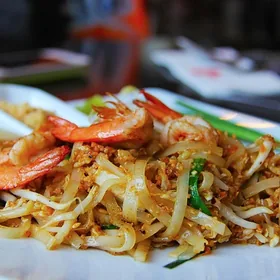
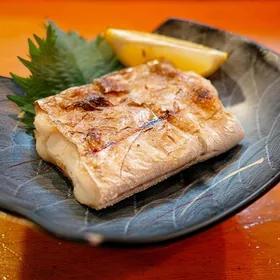
Food Culture: Putuo vegetarian food, seafood noodles, Guanyin cakes and Zhoushan hairtail show island and monastic cooking side by side.