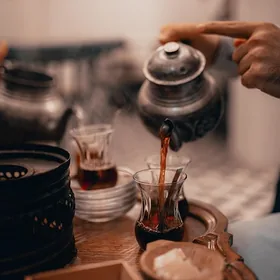
History & Culture: Guangzhou is a thousand-year commercial capital and the starting point of the Maritime Silk Road, with more than 2,200 years of history since the Qin dynasty established Nanhai Commandery. The Thirteen Factories were once China's only foreign trade port, and the Canton Fair has continued to this day as a major international trade event; an open and pragmatic commercial spirit is deeply rooted in the city's lifeblood. Guangfu culture is grounded in Cantonese, Cantonese opera, Lingnan architecture and a pragmatic, open commercial spirit, and tea-house socialising is its most vivid everyday expression. Cantonese opera is known as the "Southern Red Bean", with melodious singing and a deep popular base in Guangdong and Hong Kong. Lingnan architecture features distinctive Manchu windows, wok-ear walls and arcade buildings. Guang embroidery, together with Su, Xiang and Shu embroidery, is counted among China's four great embroidery traditions and is known for full compositions and vivid colours. The Guangzhou habit of "enjoying morning tea" has lasted more than a hundred years; a pot of tea and a few baskets of dim sum carry the Guangfu people's refined pursuit of life and leisurely attitude. From the Thirteen Factories to the Canton Fair, Guangzhou has always been an important window for China's foreign trade, and its open and inclusive urban spirit is passed down from generation to generation.
Geography: At the northern edge of the Pearl River Delta, where the three branches of the Pearl River converge and flow through the city. A warm, rainy subtropical monsoon climate keeps the city green and full of flowers all year, earning it the name "Flower City." Baiyun Mountain, the Pearl River system and the city skyline set each other off. Guangzhou lies in Guangdong, where landforms, rivers and climate together shape the city's spatial pattern. Autumn (October–December) and early winter are cool and dry, best for eating and exploring; spring is rather humid. Natural and cultural sites are relatively concentrated, so a one- or two-day itinerary by area works well. Light, vegetation and water levels change the look of the landscape with the seasons; check the weather and scenic-area notices before setting out. Natural and cultural sights around the city can usually be linked by road or rail, and suit half-day or one-day arrangements.
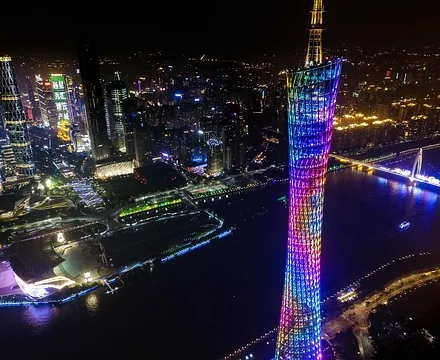
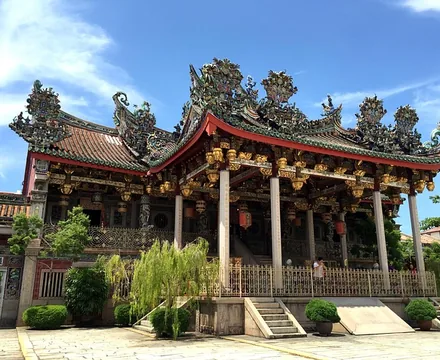
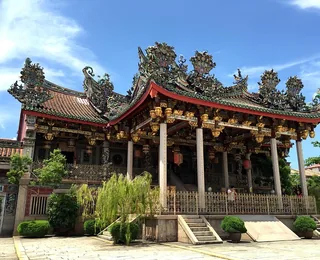
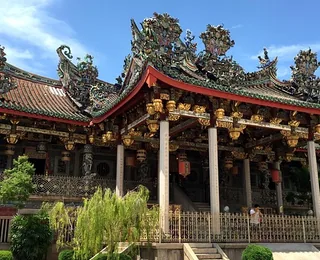
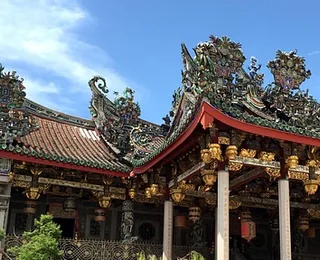
Highlights: Go up Canton Tower for night views over the Pearl River, enjoy authentic Cantonese morning tea, stroll the European-style old buildings of Shamian Island and visit Chimelong theme parks — everyday warmth and international style together. Core sights include Canton Tower (the "slim waist"), Chen Clan Academy, the Nanyue King Museum (Tomb Site) and Shamian Island. They cover history, nature and city life, and can be combined freely. Pair the main sights with nearby streets, museums or food streets for a half- or full-day route. If time allows, slow down and leave room for walking and rest. First-time visitors can start with the most representative sights, then add museums, old streets or nature as time allows.
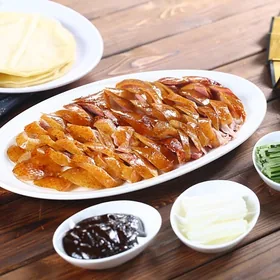
Food Culture: Cantonese cuisine stresses lightness, freshness and the natural taste of ingredients. Morning tea with "one pot of tea and two dim sum" is a daily ritual, and slow-simmered soups cooked over a low fire for hours are deeply cherished. Roast meats are golden-red and glossy, rice rolls are silky and savoury, and sampan congee is generous with ingredients — a refined and rich food culture.