History & Culture: Shenzhen belonged to Bao'an County in earlier times, and Dapeng Fortress was a Ming coastal defence post. After the special economic zone was established in 1980, Shenzhen grew rapidly from a border town into a globally influential city of innovation, known as Pengcheng, the City of the Roc. As a migrant city, it developed an open, plural character through reform and opening; in modern times its position on the Guangdong-Hong Kong border encouraged migration and trade. From Nantou Ancient City to contemporary districts, historical layers coexist with new urban development. Shenzhen lies in Guangdong, where regional history and cultural exchange have shaped a distinct urban memory, and museums, historic districts and local festivals still make that history legible.
Geography: Shenzhen lies in southern Guangdong on the eastern bank of the Pearl River estuary, next to Hong Kong, and has a subtropical monsoon climate that is warm all year with abundant sunshine. Shenzhen is in Guangdong, where landforms, rivers and climate together shape the city's layout. Autumn (October–December) is pleasant; spring (March–May) is warm and comfortable. Natural and cultural sights are fairly concentrated, so a one- or two-day itinerary by area works well. Light, vegetation and water levels change with the seasons; check the weather and official notices before setting out. Roads and railways are the main connections, and the main sights can be linked from the city or county town. In the mountains watch altitude and changing weather, and around rivers and lakes watch water levels and flood season.
Highlights: Climb Lotus Hill for views over the CBD, visit Window of the World and Happy Valley, take an eco-holiday at OCT East, swim at Dameisha beach and explore the 600-year-old coastal fortress at Dapeng. Core sights include Window of the World, Shenzhen Museum, Nantou Ancient Town and Lotus Hill Park. They cover history, nature and city life and can be combined freely. Pair the main sights with nearby streets, museums or food streets for a half- or full-day route. If time allows, slow down and leave room for walking and rest. First-time visitors can start with the most representative sights, then add museums, old streets or natural areas as time allows.
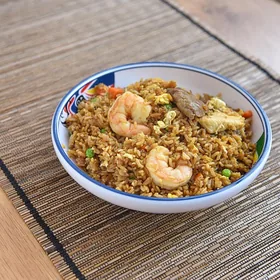
Food Culture: Shenzhen brings together Chaoshan beef hotpot, Cantonese morning tea, Shajing oysters and dishes from everywhere, and Guangming pigeon, crisp-skinned and tender, is famous near and far.