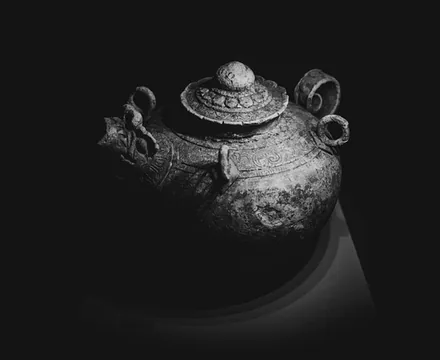
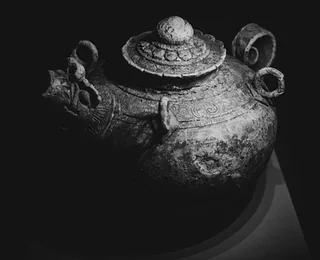
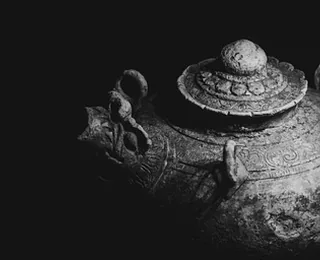
History & Culture: Jingdezhen was known in ancient times as Xinping and Fuliang, and took its name from the imperial porcelain made here during the Jingde era of the Northern Song, earning worldwide fame as the 'porcelain capital'. Its porcelain-making history spans more than a thousand years: kilns were already firing in the Han dynasty, its blue-and-white ware was famed in the Song, a Fuliang porcelain bureau was set up in the Yuan, and the Ming and Qing imperial kilns brought blue-and-white, linglong, famille rose and monochrome glazes to their peak. It was once the centre of the world ceramic trade, with porcelain shipped abroad along the maritime Silk Road. Jingdezhen's ceramic firing techniques are national intangible cultural heritage, and hand-making skills such as throwing, trimming and painting blue-and-white have been passed down for a thousand years. The annual Jingdezhen International Ceramic Fair draws ceramic artists from around the world. Fuliang's tea culture has a long history: Bai Juyi's line 'merchants prize profit and think little of parting; last month they went to Fuliang to buy tea' testifies to the busy tea trade here. Creative spaces such as Taoxichuan have given the traditional porcelain capital new vitality, with young ceramic artists starting businesses there — a thousand-year-old city writing a new chapter.
Geography: Located in northeastern Jiangxi on the bank of the Chang River, it is ringed by hills on three sides, with the Chang River running through the city and wooded hills rising and falling. Rich kaolin resources gave the porcelain industry exceptional advantages. Jingdezhen lies in Jiangxi, where landforms, rivers and climate together shape the city's layout. Spring (Mar–May) and autumn (Sep–Nov) are mild and ideal for visiting kilns and admiring porcelain; summer is hotter but the ceramic markets are lively. Natural and cultural sites are fairly concentrated, so a one- or two-day itinerary by area works well. Light, vegetation and water levels change with the seasons; check the weather and scenic-area notices before setting out. Natural and cultural sights around the city can usually be linked by road or rail, suiting a half-day or full-day plan.
Highlights: Watch hand-made porcelain at the ancient kilns, browse Taoxichuan for handmade ceramics, and explore Yaoli Ancient Town for tea and scenery — experience the craftsmanship and everyday life of the thousand-year porcelain capital. Core sights include Jingdezhen Ancient Kiln Folk Customs Museum, Taoxichuan Cultural and Creative Block, China Ceramic Museum and Yaoli Ancient Town. They cover history, nature and city life, and can be combined freely to suit your interests. Pair the main sights with nearby streets, museums or food streets for a half- or full-day route. If time allows, slow down and leave room for walking and rest. First-time visitors can start with the most representative sights, then add museums, old streets or natural areas as time permits.
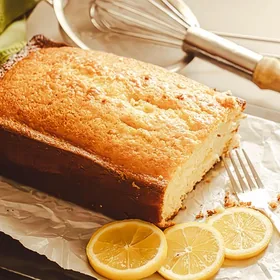
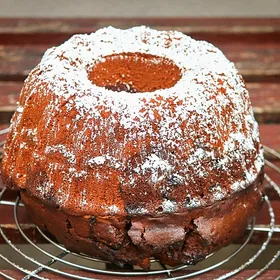
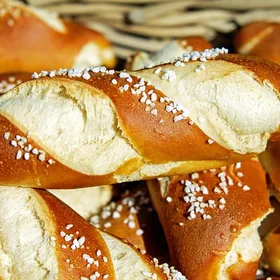
Food Culture: Jingdezhen cooking is based on Jiangxi cuisine: cold rice noodles are smooth and appetite-opening, dumpling cakes are soft and savoury, alkali cakes are fragrant from the pan, and chicken baked in porcelain clay carries the scent of lotus leaves — the plain, distinctive home cooking of the porcelain capital.