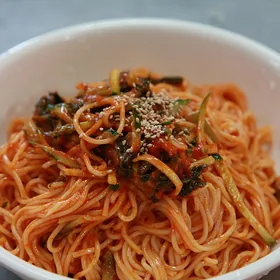
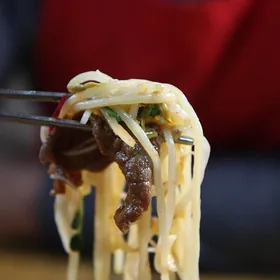
History & Culture: Nanchang was known in ancient times as Yuzhang and Hongdu, and takes its name from "prospering the southern frontier." On 1 August 1927 the Nanchang Uprising fired the first shot of armed resistance here, earning the city the name "the place where the military flag was raised." Its history and culture run deep: Wang Bo's "Preface to the Pavilion of Prince Teng" is celebrated through the ages, and the startling excavation of the Marquis of Haihun's tomb revealed Western Han civilization. Nanchang is where the August First military flag rose, and red culture is deeply rooted. The International Military Tattoo is held here on Army Day, with military bands from many countries performing together. Ganju is Jiangxi's local opera, with high and stirring arias. Tengwang Pavilion culture carries the timeless poetry of "sunset and a lone duck fly together, autumn water merges with the boundless sky." Nanchang people love mixed rice noodles and clay-pot soup; "a bowl of noodles and a bowl of soup in the morning" is the standard. Night tours of Tengwang Pavilion and the Gan River light show have become Nanchang's new calling cards, where tradition and modernity meet.
Geography: Located in northern Jiangxi, on the lower reaches of the Gan River and in the heart of the Poyang Lake Plain, Nanchang is embraced by river and lakes. The Gan River runs through the city, Poyang Lake — China's largest freshwater lake — lies to the north, and Tengwang Pavilion stands by the river. Meiling National Forest Park, with its overlapping green peaks, is a suburban summer retreat. Nanchang is in Jiangxi, where landforms, rivers and climate shape the city's spatial pattern. Spring (March–May) and autumn (September–November) are pleasant; summer is hot but the Gan River night scenery is enchanting. Natural and cultural sites are fairly concentrated, making one- or two-day itineraries by area practical. Light, vegetation and water levels change with the seasons; check the weather and scenic-area notices before departure.
Highlights: Climb Tengwang Pavilion to enjoy "sunset and a lone duck flying together," visit the August 1st Uprising Memorial Hall to recall red history, explore the Marquis of Haihun's tomb for Western Han treasures, and wander Meiling to breathe the natural oxygen bar. Core sights include Tengwang Pavilion, the August 1st Uprising Memorial Hall, Jiangxi Provincial Museum and the Haihunhou Kingdom Archaeological Site Park. They cover history, nature and city life and can be combined freely. Pair the main sights with nearby streets, museums or food streets for a half- or full-day route. If time allows, slow down and leave room for walking and rest. First-time visitors can start with the most representative sights, then add museums, old streets or nature as time allows.
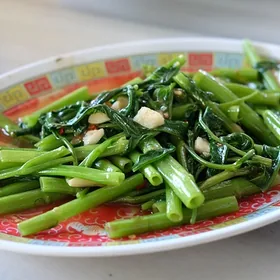
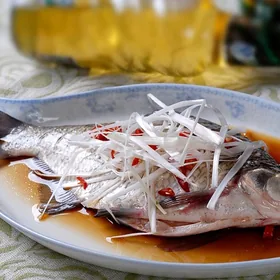
Food Culture: Nanchang mixed rice noodles are smooth and spicy, clay-pot soup is clear and full-flavored, stir-fried cudweed with cured meat has a distinctive fragrance, and Gan River fish is tender and delicious — all showing the "fresh and spicy" character of Jiangxi cuisine.