History & Culture: Kashgar lies in southwestern Xinjiang on the western edge of the Tarim Basin. A jewel of the ancient Silk Road and a hub where Eastern and Western civilisations met, it inspires the saying 'you have not been to Xinjiang until you have been to Kashgar'. The maze-like lanes of the old city, its earth-toned adobe buildings and carved doors and windows preserve the purest Uyghur character; the Id Kah Mosque is solemn and imposing, while the Xiangfei Garden tells a romantic legend. Kashgar is the centre of Uyghur culture, with lively song and dance, crafts and bazaars. The Twelve Muqam is inscribed on the world intangible cultural heritage list, and folk events such as the Tajik water-drawing festival and Eid al-Adha are rich and varied. Kashgar's old city preserves the most authentic Uyghur street life, with handicrafts filling the bazaars and music and dancing never ceasing in the old teahouses. A thousand-year trading post, highland scenery and strong ethnic character make Kashgar an irreplaceable destination for exploring the secrets of the Western Regions and Silk Road civilisation.
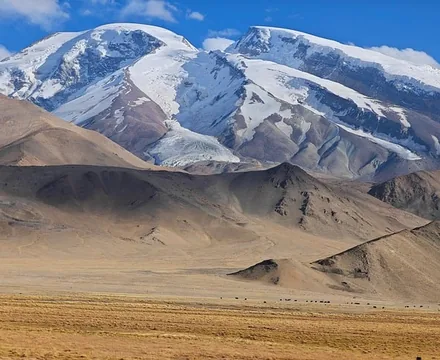
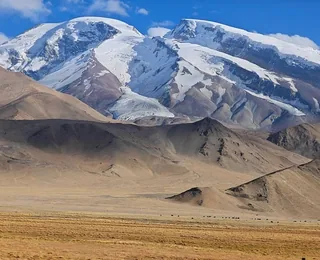
Geography: Kashgar has both snow mountains and oases: Muztagh Ata and Karakul Lake on the Pamir Plateau mirror each other, and the China–Pakistan Friendship Highway leads towards the roof of the world. The climate is arid and continental, with a large day-night temperature difference, and the area is rich in fruit. Kashgar Prefecture lies in Xinjiang, where landforms, rivers and climate together shape the city's layout. Autumn (Sep–Nov) brings fruit in abundance and pleasant weather; spring (Apr–May) is also a good time to visit. Natural and cultural sites are fairly concentrated, so a one- or two-day itinerary by area works well. Light, vegetation and water levels change with the seasons; check the weather and scenic-area notices before setting out. Natural and cultural sights around the city can usually be linked by road or rail, suiting a half-day or full-day plan.
Highlights: Wander the maze-like lanes of the old city, watch the gate-opening ceremony, taste roast lamb and pilaf, and travel the Pamir Plateau — experience the purest Uyghur customs and Silk Road civilisation. Core sights include Kashgar Old City, Id Kah Mosque, the Pamir Plateau (Muztagh Ata) and the Kashgar Livestock Market. They cover history, nature and city life, and can be combined freely to suit your interests. Pair the main sights with nearby streets, museums or food streets for a half- or full-day route. If time allows, slow down and leave room for walking and rest. First-time visitors can start with the most representative sights, then add museums, old streets or natural areas as time permits.
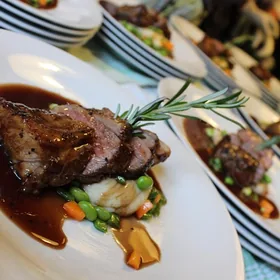
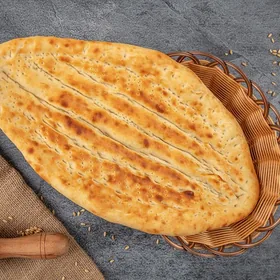
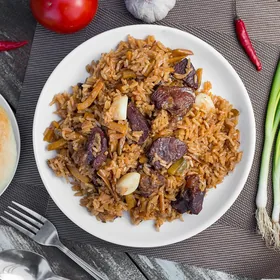
Food Culture: Kashgar's food is mainly Uyghur: whole roast lamb has golden, crisp skin and tender, juicy meat; pilaf is glossy and fragrant; laghman noodles are springy and full of flavour; and flatbread baked in the naan pit is crisp outside and chewy within — the daily staple.