City Intro

History & Culture: Turpan lies in the Turpan Basin at the southern foot of the Tianshan Mountains in eastern Xinjiang. Known in antiquity as Gaochang and Jiaohe, it was a key Silk Road town. The Jiaohe and Gaochang ruins bear witness to the civilization of the Western Regions and the meeting of religions, while the Emin Minaret displays the beauty of Islamic architecture. Turpan was a major Silk Road town where Western Region civilization and multiple religions converged. The Grape Festival is the most important local celebration, Uygur song and dance are passionate and bold, and the Meshrep is a traditional song-and-dance gathering. Karez irrigation culture shows the ancients' wisdom in using nature, and the ruined cities witness the rise and fall of a thousand years of civilization. Desert, ancient cities and sweet melons and fruit interweave, making Turpan the destination with the most striking contrasts for experiencing Western Region history and the charm of the fiery land.

Geography: The Turpan Basin is China's lowest point on land (Aydingkol Lake at -154 metres) and also its hottest, driest place, yet karez irrigation has made it an oasis of melons and fruit. Midsummer is scorching with a large temperature difference between day and night, and it is rich in seedless white grapes and Hami melons. Turpan lies in the Xinjiang Uygur Autonomous Region, where landforms, rivers and climate have shaped the city's layout. Summer and autumn (Jun–Oct) bring ripe melons and fruit, but the heat is severe and requires precautions; spring (Apr–May) is more pleasant. Natural and cultural sites are relatively concentrated, so a one- or two-day itinerary can be arranged by area. Light, vegetation and water levels change with the seasons; check the weather and scenic-area notices before setting out.

Highlights: See the Flaming Mountains blazing red, wander the shady Grape Valley, explore the Jiaohe and Gaochang ruins, visit the brick carvings of the Emin Minaret, and taste sweet melons and grapes — experience the extreme contrast between the fiery land and the oasis. Core sights include the Flaming Mountains, Grape Valley, Jiaohe Ruins and Karez Well Park. They cover history, nature and city life and can be combined freely. Pair the core sights with nearby streets, museums or food streets for a half- or full-day route. If time allows, slow down and leave room for walking and rest. First-time visitors can start with the most representative sights, then add museums, old streets or natural areas as time allows.

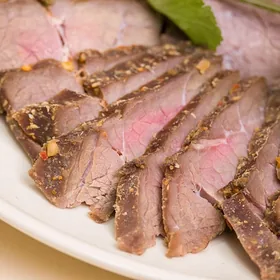
Food Culture: Turpan's food centres on melons, fruit and wheat dishes. Seedless white grapes are sweet as honey, Hami melons are crisp and juicy, baked naan is crisp outside and chewy inside, and lamb stewed with flatbread is tender, chewy and savoury — a classic expression of Western Region flavours.

Attractions

More >
Flaming Mountains

Flaming Mountains

Recommend 4.5 / 5

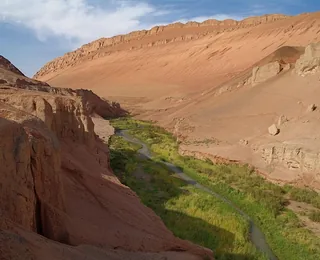
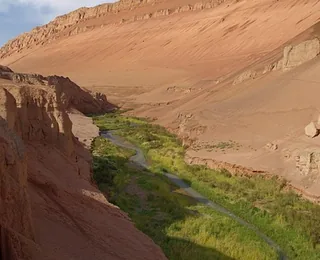
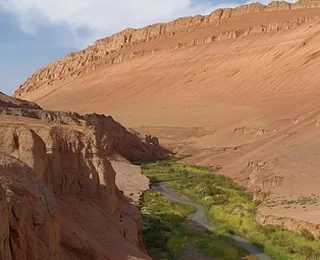
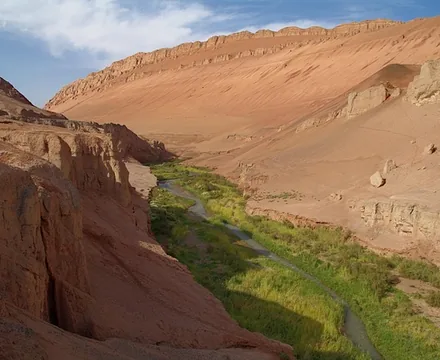
The Flaming Mountains are one of Turpan's most famous sights. Their red sandstone ridges ripple like flames under the blazing sun, and the story of Sun Wukong borrowing the Plantain Fan three times in Journey to the West made them known throughout the world. Ground temperatures can exceed 70°C in summer, and a giant thermometer shows the surface temperature in real time. The mountain is cut by ravines, forming a distinctive canyon landscape. At sunrise and sunset the ridges take on different shades of red, a spectacular sight. Highlights include the red sandstone canyon, Journey to the West culture, and sunrise and sunset. Tip: summer ground temperatures are extremely high; go in the early morning or late afternoon and take thorough heat and sun protection. Practical info: located beside National Highway 312, Gaochang District, Turpan, Xinjiang Uygur Autonomous Region; ticket ¥40; opening hours 08:30–20:00. Best season: summer and autumn (Jun–Oct) bring ripe melons and fruit, but the heat is severe and requires precautions; spring (Apr–May) is more pleasant. Pair with Turpan's Grape Valley, Jiaohe Ruins and Karez Well Park for a half- or full-day itinerary. It can be combined with Grape Valley, Jiaohe Ruins, Karez Well Park in Turpan for a half- or full-day itinerary.

Tip: Summer ground temperatures are extremely high; go in the early morning or late afternoon and take thorough hea…

  • Address: Beside National Highway 312, Gaochang District, Turpan, Xinjiang Uygur Autonomous Region
  • Ticket: ¥40
  • Opening: 08:30–20:00
Flaming Mountains
Flaming Mountains
Flaming Mountains
Grape Valley

Grape Valley

Recommend 4.6 / 5

Grape Valley is a green canyon in the Flaming Mountains, with flowing streams and grape trellises forming shade, in sharp contrast to the surrounding desert. This is Turpan's main grape-producing area, and the seedless white grapes are sweet as honey. Visitors can taste fresh grapes, visit drying houses to learn how raisins are made, and experience Uygur farm life. Uygur houses in the valley are open to visitors, and local specialities can be tasted. Highlights include the grape-trellis corridor and the drying houses. Tip: August–September is grape season, when the grapes are at their freshest. Practical info: located in Grape Valley Town, Gaochang District, Turpan, Xinjiang Uygur Autonomous Region; ticket ¥60; opening hours 08:30–20:00. Best season: summer and autumn (Jun–Oct) bring ripe melons and fruit, but the heat is severe and requires precautions; spring (Apr–May) is more pleasant. Pair with Turpan's Flaming Mountains, Jiaohe Ruins and Karez Well Park for a half- or full-day itinerary. Check the day's opening and reservation policy before setting out, and allow enough time. It can be combined with Flaming Mountains, Jiaohe Ruins, Karez Well Park in Turpan for a half- or full-day itinerary.

  • Address: Grape Valley Town, Gaochang District, Turpan, Xinjiang Uygur Autonomous Region
  • Ticket: ¥60
  • Opening: 08:30–20:00
Grape Valley
Grape Valley
Grape Valley
Jiaohe Ruins

Jiaohe Ruins

Recommend 4.6 / 5

Jiaohe Ruins are the world's largest and oldest earthen city ruin, built on a willow-leaf-shaped terrace where two rivers meet to form a natural barrier. The site is well preserved, and the remains of streets, temples and government offices are clearly legible. Founded in the 2nd century BC, the city was once the capital of the Anterior Jushi kingdom and later the seat of the Tang dynasty's Anxi Protectorate. It was inscribed on the World Heritage List in 2014. Highlights include the willow-leaf terrace, Tang dynasty temple ruins and the government office complex. Tip: go in the early morning or late afternoon to avoid the midday heat. Practical info: located in Jiaohe Village, Ya'er Township, Turpan, Xinjiang Uygur Autonomous Region; ticket ¥70; opening hours 09:00–18:00. Best season: summer and autumn (Jun–Oct) bring ripe melons and fruit, but the heat is severe and requires precautions; spring (Apr–May) is more pleasant. Pair with Turpan's Flaming Mountains, Grape Valley and Karez Well Park for a half- or full-day itinerary. It can be combined with Flaming Mountains, Grape Valley, Karez Well Park in Turpan for a half- or full-day itinerary.

Tip: Go in the early morning or late afternoon to avoid the midday heat.

  • Address: Jiaohe Village, Ya'er Township, Turpan, Xinjiang Uygur Autonomous Region
  • Ticket: ¥70
  • Opening: 09:00–18:00
Jiaohe Ruins
Jiaohe Ruins
Jiaohe Ruins

Local Food

Samsa (baked samosa)
¥5–10/person
Thin pastry filled with lamb and onion, baked against the wall of a naan oven — crisp outside and juicy inside, Turpan's handiest street breakfast.
★ 4.6
Baked naan
Baked naan
¥5–10/person
Sesame naan baked in a tandoor, crisp outside and chewy inside, with a rich wheat aroma; easy to carry and keeps well.
★ 4.4
Lamb stewed with flatbread
¥40–60/person
Braised lamb served over hand-torn thin flatbread that soaks up the gravy — soft, chewy and savoury.
★ 4.4
Polo (pilaf)
Polo (pilaf)
¥25–40/person
Rice steamed with lamb, carrot and yellow carrot — glossy and fragrant, served with yoghurt to cut the richness.
★ 4.6

Culture

Turpan is a key Silk Road town where Western Region civilization and multiple religions converged. The Grape Festival is the most important local celebration, Uygur song and dance are passionate and bold, and the Meshrep is a traditional song-and-dance gathering. Karez irrigation culture shows the ancients' wisdom in using nature, and the ruined cities witness the rise and fall of a thousand years of civilization. Desert, ancient cities and sweet melons and fruit interweave, making Turpan the destination with the most striking contrasts for experiencing Western Region history and the charm of the fiery land.