City Intro

History & Culture: Urumqi was an important post on the ancient Silk Road; its name means 'fine pasture'. Historically a place where many ethnic groups met, Western Region culture and Central Plains culture converged here. Urumqi is a city of diverse cultures living together, where Uygur, Kazakh, Hui and other peoples coexist harmoniously. Eid al-Adha and Eid al-Fitr (the festival ending Ramadan) are the most important religious festivals, celebrated throughout the city. Uygur Muqam art is inscribed on the UNESCO Intangible Cultural Heritage list and combines song, dance and music. The Xinjiang song and dance known as Meshrep is passionate and bold, and the whirling dance to the sound of hand drums is captivating. The prosperity of the Silk Road has left a deep imprint here: from Kucha music and dance to the legend of the Hami melon, from camel caravans to modern Central Asian trade, Urumqi has always been an important bridge for exchange between Eastern and Western civilizations.

Geography: At the northern foot of the Tianshan and the southern edge of the Junggar Basin, Urumqi is the geographic centre of Asia. The city is embraced by the Tianshan, where snow peaks, grasslands, Gobi and a modern metropolis coexist; the climate is temperate continental. Urumqi lies in the Xinjiang Uygur Autonomous Region, where landforms, rivers and climate have shaped the city's layout. Summer and autumn (Jun–Oct) bring fragrant fruit and pleasant weather; winter offers ice and snow experiences. Natural and cultural sites are relatively concentrated, so a one- or two-day itinerary can be arranged by area. Light, vegetation and water levels change with the seasons; check the weather and scenic-area notices before setting out. Roads and railways are the main connections, and major sights can be linked from the city or county town.

Highlights: Take in Tianshan Tianchi, shop at the International Grand Bazaar, explore Silk Road civilization at the Xinjiang Museum, and taste authentic Western Region food. Core sights include the International Grand Bazaar, Xinjiang Museum, Tianshan Tianchi and Tianshan Grand Canyon. They cover history, nature and city life and can be combined freely. Pair the core sights with nearby streets, museums or food streets for a half- or full-day route. If time allows, slow down and leave room for walking and rest. First-time visitors can start with the most representative sights, then add museums, old streets or natural areas as time allows. Local food is part of the itinerary — save a meal for a time-honoured shop or a local market.

Food Culture: Urumqi's food blends many ethnic flavours: Big Plate Chicken is numbing, spicy and savoury, lamb skewers carry the aroma of cumin, pilaf is rich and fragrant, and local melons and fruit are exceptionally sweet.

Attractions

More >
International Grand Bazaar

International Grand Bazaar

Recommend 4.6 / 5

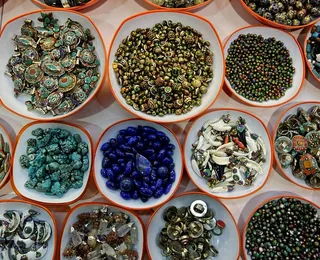
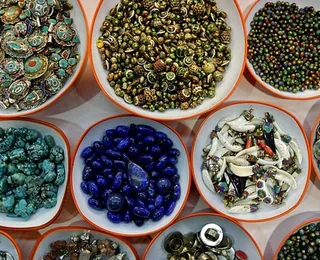
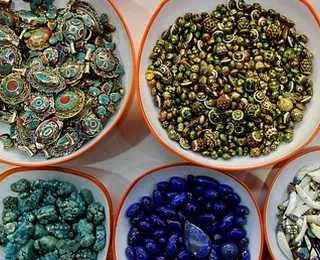
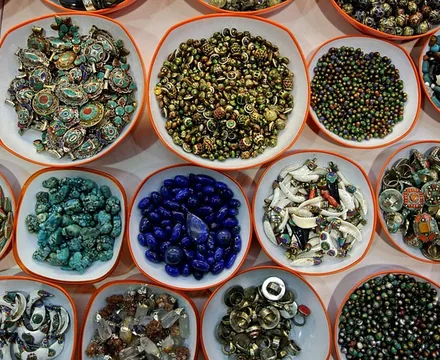
The Urumqi International Grand Bazaar is the world's largest bazaar, covering about 100,000 square metres. Its architecture blends Arab style with traditional Uygur features and is grand in scale. The bazaar has thousands of stalls selling dried fruit, carpets, silk, jade, musical instruments and other specialities from across Xinjiang and Central Asia. The second-floor food court serves authentic Xinjiang food, and there are ethnic song and dance performances at weekends. Highlights include the observation tower and the handicraft area. Tip: go in the afternoon to catch the performances. Practical info: located at 510 Jiefang South Road, Tianshan District, Urumqi, Xinjiang; free admission; opening hours 10:00–22:00. Best season: summer and autumn (Jun–Oct) bring fragrant fruit and pleasant weather; winter offers ice and snow experiences.

Tip: Go in the afternoon to catch the song and dance performances. Bargain when shopping.

  • Address: 510 Jiefang South Road, Tianshan District, Urumqi, Xinjiang
  • Ticket: Free
  • Opening: 10:00–22:00
International Grand Bazaar
Xinjiang Museum

Xinjiang Museum

Recommend 4.5 / 5

The Xinjiang Museum is the best place to understand Xinjiang's history and culture, with more than 70,000 objects. The star exhibit, the 'Five Stars Rising in the East Benefit China' brocade arm guard, is a fine Han dynasty textile, vivid in colour and exquisitely woven. The Loulan Beauty mummy is remarkably well preserved and more than 3,000 years old. The Silk Road Civilization gallery displays objects from the Han and Tang through the Yuan, including fine silk textiles, gold and silver ware and Buddhist art. Highlights include the Silk Road civilization exhibition. Tip: booking a guided tour is recommended. Practical info: located at 581 Xibei Road, Saybag District, Urumqi, Xinjiang; free admission (reservation required); opening hours 10:00–18:00 (closed Mondays). Best season: summer and autumn (Jun–Oct) bring fragrant fruit and pleasant weather; winter offers ice and snow experiences. Pair with Urumqi's International Grand Bazaar, Tianshan Tianchi and Hongshan Park for a half- or full-day itinerary. It can be combined with International Grand Bazaar, Tianshan Tianchi, Tianshan Grand Canyon in Urumqi for a half- or full-day itinerary.

Tip: Booking a guided tour is recommended. The museum is closed on Mondays, so plan ahead.

  • Address: 581 Xibei Road, Saybag District, Urumqi, Xinjiang
  • Ticket: Free (reservation required)
  • Opening: 10:00–18:00 (closed Mondays)
Xinjiang Museum
Xinjiang Museum
Xinjiang Museum
Tianshan Tianchi

Tianshan Tianchi

Recommend 4.5 / 5

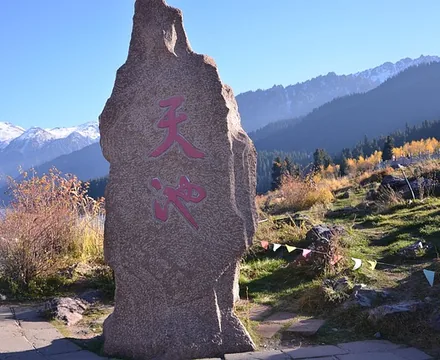
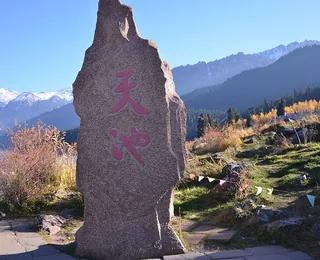
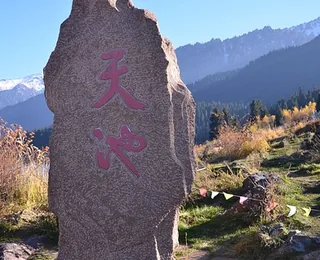
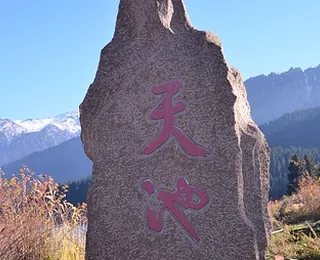
Tianshan Tianchi lies halfway up Bogda Peak, the highest peak of the eastern Tianshan, at about 1,910 m. The lake is crescent-shaped and covers about 4.9 square kilometres. It is a high mountain moraine lake with clear blue water, surrounded by snow peaks and dense spruce forest. Legend makes this the Jade Pool paradise of the Queen Mother of the West, and it has been a Taoist sacred site since ancient times. Visitors can take a boat on the lake, walk the boardwalks and admire the snow mountains. It is cool and pleasant in summer and covered in snow in winter, with different scenery in every season. Highlights include the lake cruise, the Dinghai Shenzhen (Sea-Calming Needle) and distant views of Bogda Peak. Tip: temperatures on the mountain are low; bring a jacket. Practical info: located at Tianshan Tianchi Scenic Area, Fukang City, Changji Prefecture, Xinjiang; ticket ¥95 (shuttle bus extra); opening hours 08:30–19:00. Best season: summer and autumn (Jun–Oct) bring fragrant fruit and pleasant weather; winter offers ice and snow experiences.

Tip: Temperatures on the mountain are low — bring a jacket. It is crowded in peak season; go early.

  • Address: Tianshan Tianchi Scenic Area, Fukang City, Changji Prefecture, Xinjiang
  • Ticket: ¥95 (shuttle bus extra)
  • Opening: 08:30–19:00
Tianshan Tianchi
Tianshan Tianchi
Tianshan Tianchi

Local Food

Big Plate Chicken
Big Plate Chicken
¥50–80/person
Chicken pieces stewed with potato and green pepper, served with wide noodles tossed in the broth — numbing, spicy, savoury and generous.
★ 4.7
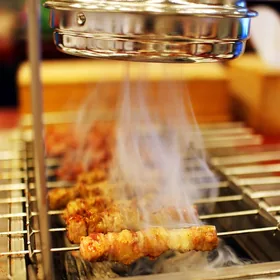
Lamb skewers
Lamb skewers
¥30–50/person
Grilled over charcoal with cumin and chilli — crisp outside and tender inside, the soul of Xinjiang night markets.
★ 4.7
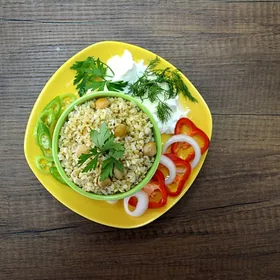
Pilaf
Pilaf
¥30–40/person
Rice steamed with lamb, carrot and yellow carrot — rich and fragrant, often served with yoghurt.
★ 4.5
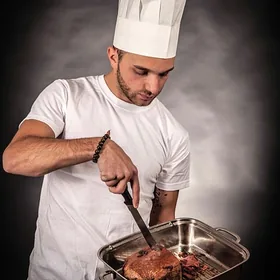
Nangkeng roast meat
Nangkeng roast meat
¥50–80/person
Lamb pieces marinated then roasted against the wall of a naan oven — crisp outside and tender inside, served with naan and onion, a staple of Urumqi night markets.
★ 4.7

Culture

Urumqi is a city of diverse cultures living together, where Uygur, Kazakh, Hui and other peoples coexist harmoniously. Eid al-Adha and Eid al-Fitr (the festival ending Ramadan) are the most important religious festivals, celebrated throughout the city. Uygur Muqam art is inscribed on the UNESCO Intangible Cultural Heritage list and combines song, dance and music. The Xinjiang song and dance known as Meshrep is passionate and bold, and the whirling dance to the sound of hand drums is captivating. The prosperity of the Silk Road has left a deep imprint here: from Kucha music and dance to the legend of the Hami melon, from camel caravans to modern Central Asian trade, Urumqi has always been an important bridge for exchange between Eastern and Western civilizations.