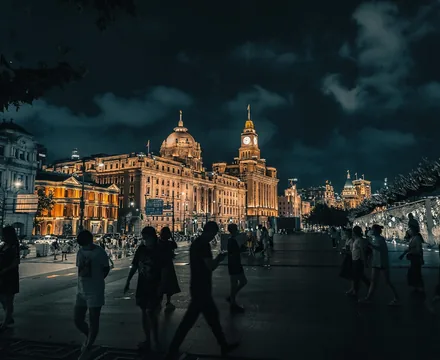
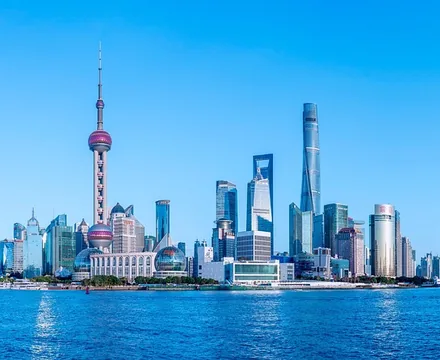
History & Culture: Shanghai grew from a fishing village into the greatest metropolis of modern East Asia. The 52 buildings of varied style along the Bund and the shikumen lane houses bear witness to more than a century of East–West exchange since the port opened, making the city both a microcosm of modern Chinese history and a contemporary international financial centre. Haipai culture is Shanghai's soul, its core the idea of embracing all rivers and accommodating every influence. Shikumen architecture is a typical East–West hybrid, and in the lanes old Shanghai's everyday life coexists with cafés and galleries. Huju opera tells everyday joys and sorrows in the soft Wu dialect, while pingtan storytelling, with pipa and sanxian, speaks of Jiangnan refinement. The Bund's foreign buildings face Pudong's skyscrapers across the river, symbolising a dialogue between tradition and modernity. From the qipao fashion of the 1920s and 1930s to today's international arts festivals and fashion weeks, Shanghai has always been China's window on the world, showing a distinctive charm born of East and West.
Geography: Shanghai stands on the south bank of the Yangtze estuary. The Huangpu River runs through the city, dividing it into Pudong and Puxi. The land is flat with a dense network of waterways, and the climate is subtropical monsoon, with four distinct seasons and ample rain. As a municipality directly under the central government, Shanghai's urban space, rivers and climate have shaped one another into a compact, multi-centred city. Spring (March–May) and autumn (October–November) are mild, with shady plane trees — the best time for strolling the Bund, Yuyuan and Tianzifang. Natural and cultural sights are fairly concentrated, so a one- or two-day itinerary by area works well. Light, vegetation and water levels change with the seasons; check the weather and official notices before setting out.
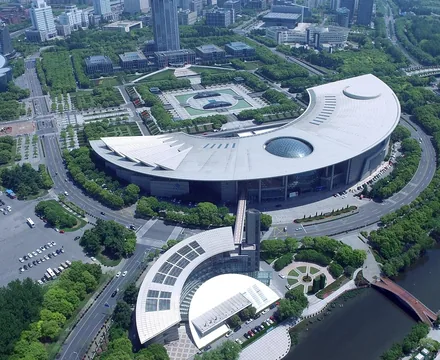
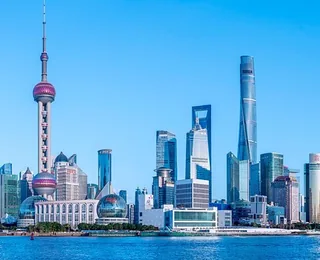
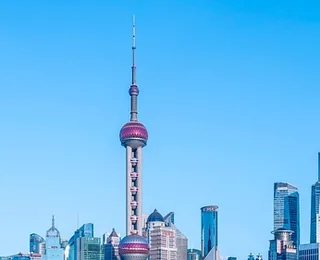
Highlights: See the illuminated foreign architecture along the Bund, ride up the Oriental Pearl Tower for views over the Huangpu, wander the old town around Yuyuan and cruise the river at night, taking in the weave of modern metropolis and nostalgia. Core sights include the Bund, Shanghai Museum, Oriental Pearl Radio and TV Tower and Yuyuan Garden. They cover history, nature and city life and can be combined freely. Pair the main sights with nearby streets, museums or food streets for a half- or full-day route. If time allows, slow down and leave room for walking and rest. First-time visitors can start with the most representative sights, then add museums, old streets or natural areas as time allows.
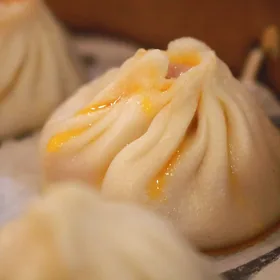
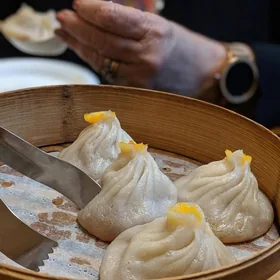
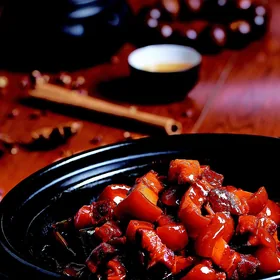
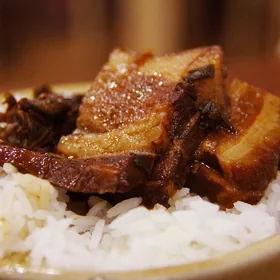
Food Culture: Shanghainese cooking is rich in oil and soy sauce, savoury with a hint of sweetness: shengjian buns have crisp bottoms and abundant juice, xiaolongbao have thin skins and savoury soup, and pork chop with rice cake is crisp outside and glutinous within. Haipai snacks absorb flavours from everywhere yet have a character of their own.