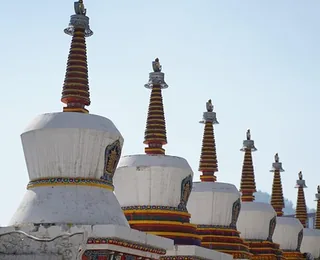
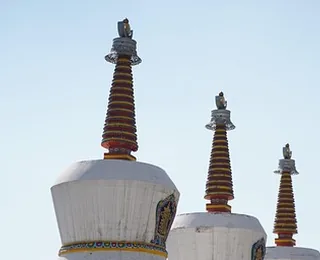
History & Culture: Xining is the capital of Qinghai, on the northeastern edge of the Qinghai-Tibet Plateau in the Huangshui Valley. It was a hub on the ancient Silk Road and the Tang-Tibet Ancient Road and has long been called the 'summer capital'. It is a multi-ethnic city where Han, Tibetan, Hui and Tu cultures meet. Xining is a city of many ethnic groups living together, where Han, Tibetan, Hui, Tu, Salar and other peoples coexist harmoniously. The Butter Sculpture Lantern Festival at Kumbum Monastery is a great event of Tibetan Buddhism, held on the fifteenth day of the first lunar month. Folk events such as the Tu Nadun Festival and the Hua'er Fair are rich and varied. Halal food culture runs deep, and Dongguan Mosque is the centre of Muslim prayer. Xining lies in Qinghai Province and has formed a distinctive urban memory through regional history and cultural exchange. From ancient settlements to the modern city, walls, lanes, temples and guild halls record historical layers of different periods.
Geography: On the northeastern Qinghai-Tibet Plateau in the Huangshui Valley, the city centre is about 2,275 m above sea level. It has a highland continental climate with cool summers, cold winters and a large temperature difference between day and night. Xining lies in Qinghai Province, where landforms, rivers and climate have shaped the city's layout. Summer (Jun–Aug) is cool and pleasant, a summer retreat; autumn (Sep–Oct) is colourful. Natural and cultural sites are relatively concentrated, so a one- or two-day itinerary can be arranged by area. Light, vegetation and water levels change with the seasons; check the weather and scenic-area notices before setting out. Roads and railways are the main connections, and major sights can be linked from the city or county town.
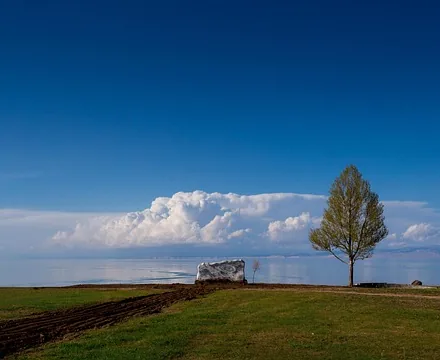
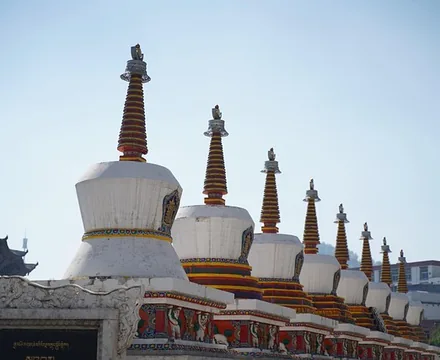
Highlights: See the butter sculptures at Kumbum Monastery, the rapeseed flowers at Qinghai Lake and Dongguan Mosque, and experience the beauty of plateau religion and nature. Core sights include Qinghai Lake (Erlangjian Scenic Area), Kumbum Monastery, Dongguan Mosque and the Qinghai Tibetan Culture Museum. They cover history, nature and city life and can be combined freely. Pair the core sights with nearby streets, museums or food streets for a half- or full-day route. If time allows, slow down and leave room for walking and rest. First-time visitors can start with the most representative sights, then add museums, old streets or natural areas as time allows.
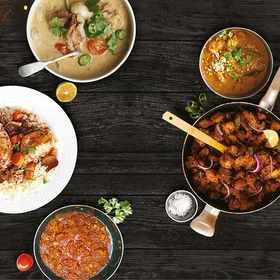
Food Culture: Xining's food blends the specialities of many ethnic groups: hand-grabbed mutton is true to its original flavour, niangpi is tangy and appetising, ga mianpian is warming and good value, and tianpei is sweet-sour and cooling — halal food is plentiful.