History & Culture: Yangzhou lies in central Jiangsu where the Yangtze River meets the Beijing–Hangzhou Grand Canal, and is among the first group of national historical and cultural cities designated by the State Council. Founded more than 2,500 years ago, it was the great southeastern metropolis of the Sui and Tang and a salt-merchant stronghold in the Ming and Qing; 'to Yangzhou in the misty third month' has been celebrated through the ages. Yangzhou is the birthplace of Huaiyang cuisine, with a refined and particular food culture. Yangzhou lacquerware decoration and woodblock printing are national-level intangible cultural heritage. The Slender West Lake Tourism Festival and the Misty Third Month Tourism Festival draw visitors from far and wide. Yangzhou's garden and salt-merchant culture and its canal culture run deep, and poets and writers have left countless verses. Yangzhou lies in Jiangsu Province and has formed a distinctive urban memory through regional history and cultural exchange. From ancient settlements to the modern city, city walls, lanes, temples and guild halls record historical layers from different periods.
Geography: The land is flat with a dense network of waterways; the Shugang–Slender West Lake Scenic Area has shimmering water and elegant gardens. The climate is subtropical monsoon, warm and humid with four distinct seasons. Yangzhou is located in Jiangsu Province, where landforms, rivers and climate together shape the city's layout. Spring (Mar–May), the 'misty third month', brings peach and willow along the banks; autumn (Sep–Nov) is clear and brisk. Natural and cultural sites are relatively concentrated, so one- or two-day itineraries by area work well. Light, vegetation and water levels change with the seasons, so check the weather and scenic-area notices before setting out. Road and rail are the main connections, and major sights can be linked from the city or county seat.
Highlights: The Five-Pavilion Bridge on Slender West Lake, the four-season rockeries of Ge Garden and the bustle of Dongguan Street; experience the easy life of morning tea and an evening bath. Core sights include Slender West Lake, Ge Garden, He Garden and Dongguan Street. They cover history, nature and city life and can be combined freely. Pair the core sights with nearby streets, museums or food streets for a half- or full-day route. If time allows, slow down and leave room for walking and rest. First-time visitors can start with the most representative sights, then add museums, old streets or natural areas as time permits. Local food is part of the itinerary — save a meal for a time-honoured shop or a local market.
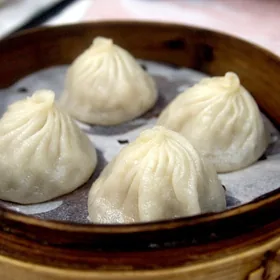
Food Culture: Yangzhou is the birthplace of Huaiyang cuisine, one of China's four great cuisines. The fried rice has separate, distinct grains; crab-roe soup dumplings have thin skins and plentiful broth; lion's-head meatballs are tender and not greasy; and the morning-tea culture is refined and particular.