City Intro

History & Culture: Zhenjiang lies in southern Jiangsu where the Yangtze River meets the Beijing–Hangzhou Grand Canal, and has long been called the finest landscape under heaven. The city embraces hills and river, its position strong and strategic; since the Three Kingdoms it has been a contested military point and an important town south of the Yangtze. Jinshan, Jiaoshan and Beigu Mountain — the three Jingkou hills — stand by the river. Zhenjiang's vinegar culture is distinctive, and the Hengshun fragrant-vinegar brewing technique is national-level intangible cultural heritage. The legend of The White Snake has a long history, and the water-and-land Dharma assembly at Jinshan Temple is long established. Canal culture south of the Yangtze runs deep, and Xijindu Ancient Street bears witness to the bustle of a thousand-year ferry crossing. Zhenjiang lies in Jiangsu Province and has formed a distinctive urban memory through regional history and cultural exchange. From ancient settlements to the modern city, city walls, lanes, temples and guild halls record historical layers from different periods.

Geography: At the meeting of the Yangtze and the Grand Canal, with Jinshan, Jiaoshan and Beigu Mountain standing by the river. The climate is subtropical monsoon, warm and humid with four distinct seasons. Zhenjiang is located in Jiangsu Province, where landforms, rivers and climate together shape the city's layout. Spring (Mar–May) brings blossom to Jinshan; autumn (Sep–Nov) is clear and brisk. Natural and cultural sites are relatively concentrated, so one- or two-day itineraries by area work well. Light, vegetation and water levels change with the seasons, so check the weather and scenic-area notices before setting out. Road and rail are the main connections, and major sights can be linked from the city or county seat.

Highlights: The White Snake legend at Jinshan Temple, the thousand-year ferry of Xijindu Ancient Street and Beigu Mountain, the finest landscape under heaven; experience the elegance of mountains and forest within the city. Core sights include Jinshan Temple, Xijindu Ancient Street, Beigu Mountain and Jiaoshan. They cover history, nature and city life and can be combined freely. Pair the core sights with nearby streets, museums or food streets for a half- or full-day route. If time allows, slow down and leave room for walking and rest. First-time visitors can start with the most representative sights, then add museums, old streets or natural areas as time permits. Local food is part of the itinerary — save a meal for a time-honoured shop or a local market.

Food Culture: Zhenjiang's food is distinctive: guogai noodles are springy, the fragrant vinegar is sour without being harsh, yaorou is crystal clear, and crab-roe soup dumplings have thin skins and plenty of broth; vinegar culture stands apart.


Attractions

More >
Jinshan Temple

Jinshan Temple

Recommend 4.6 / 5

Jinshan Temple was first built in the Eastern Jin and is famous for the White Snake legend's flooding of Jinshan. The Cishou Pagoda is 30 metres high, and climbing it gives a view over the Yangtze. Fahai Cave, White Dragon Cave and many other legendary remains are here. Highlights include the First Spring Under Heaven. Tip: hire a guide to tell the White Snake story for a better sense of how legend and reality intertwine. Practical info: located at 62 Jinshan Road, Runzhou District, Zhenjiang, Jiangsu Province; ticket ¥65; opening hours 08:00–17:00. Best season: spring (Mar–May) brings blossom to Jinshan; autumn (Sep–Nov) is clear and brisk. Combine with Xijindu Ancient Street, Beigu Mountain and Jiaoshan for a half- or full-day itinerary. Check the day's opening and booking policy before you go, and allow enough time. In peak season or on holidays, book ahead and avoid the crowds, allowing time for queues and security checks.

Tip: Hire a guide to tell the White Snake story for a better sense of how legend and reality intertwine.

  • Address: 62 Jinshan Road, Runzhou District, Zhenjiang, Jiangsu Province
  • Ticket: ¥65
  • Opening: 08:00–17:00
Jinshan Temple
Jinshan Temple
Jinshan Temple
Xijindu Ancient Street

Xijindu Ancient Street

Recommend 4.6 / 5

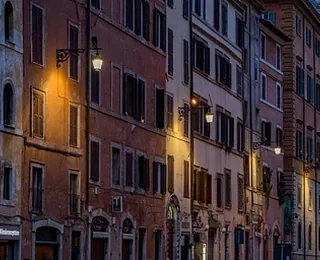
What repays attention most on this street is underfoot: from the Six Dynasties onward, road surfaces of the Tang, Song, Yuan, Ming and Qing lie one on top of another, and a cross-section display, 'a thousand years at a glance', lets a visitor cross several dynasties in a step. The Zhaoguan Stone Pagoda was built in the Yuanzhen era (1295–1297) and is 8.635 metres high; it is the only surviving Yuan-dynasty street-crossing stone pagoda in China, and pedestrians pass beneath its arched gateway. In the 42nd year of Kangxi (1703), Zhenjiang's gentry and merchants founded the Life-Saving Association, keeping boats to rescue people whose vessels capsized on the river — a precious witness to early institutionalised water rescue in China. Zhenjiang opened as a treaty port in January 1861 and a British concession was laid out; the British consulate rebuilt in 1890 was listed as a national key cultural relic in 1996 and is now the Zhenjiang Museum. Highlights include the Daidu Pavilion. Tip: go in the evening, when the old street has a special charm under the lights. Practical info: located on Xijindu Street, Runzhou District, Zhenjiang, Jiangsu Province; admission free; open all day.

Tip: Go in the evening, when the old street has a special charm under the lights.

  • Address: Xijindu Street, Runzhou District, Zhenjiang, Jiangsu Province
  • Ticket: Free
  • Opening: All day
Xijindu Ancient Street
Beigu Mountain

Beigu Mountain

Recommend 4.5 / 5

Beigu Mountain is famous for the Three Kingdoms story, and Ganlu Temple is said to be where Liu Bei took a bride. Xin Qiji's 'Yongyule: Recalling the Past at Beigu Pavilion, Jingkou' made the mountain famous. Highlights include the Lingyun Pavilion and the Henshi. Tip: the mountain is steep, so wear comfortable shoes. Practical info: located at 3 Dongwu Road, Jingkou District, Zhenjiang, Jiangsu Province; ticket ¥40; opening hours 08:00–17:00. Best season: spring (Mar–May) brings blossom to Jinshan; autumn (Sep–Nov) is clear and brisk. Combine with Jinshan Temple, Xijindu Ancient Street and Jiaoshan for a half- or full-day itinerary. Check the day's opening and booking policy before you go, and allow enough time. In peak season or on holidays, book ahead and avoid the crowds, allowing time for queues and security checks; if carrying luggage or children, allow more time for security checks and walking.

Tip: The mountain is steep, so wear comfortable shoes. From Beigu Pavilion you can look far over the Yangtze.

  • Address: 3 Dongwu Road, Jingkou District, Zhenjiang, Jiangsu Province
  • Ticket: ¥40
  • Opening: 08:00–17:00
Beigu Mountain
Beigu Mountain
Beigu Mountain

Local Food

Zhenjiang guogai noodles
¥15–25/person
Springy noodles cooked with a cedar lid in the pot to add fragrance, with generous toppings — Zhenjiang's signature noodle.
★ 4.7
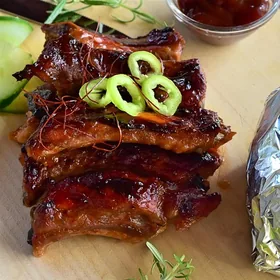
Zhenjiang vinegar ribs
¥40–60/person
Pork ribs slowly braised and reduced in Zhenjiang fragrant vinegar — sweet and sour in balance with the vinegar to the fore, more a dish than a condiment.
★ 4.6
Yaorou
Yaorou
¥20–30/person
Crystal-clear braised pork trotter, served with shredded ginger and fragrant vinegar — a famous Zhenjiang morning-tea dish.
★ 4.4
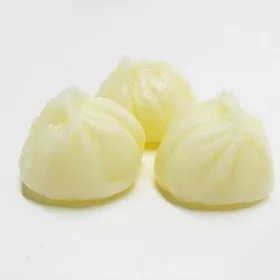
Crab-roe soup dumplings
¥30–50/person
Thin skin, plentiful broth and fresh crab roe; lift and sip gently — a seasonal river delicacy.
★ 4.4

Culture

Zhenjiang's vinegar culture is distinctive, and the Hengshun fragrant-vinegar brewing technique is national-level intangible cultural heritage. The legend of The White Snake has a long history, and the water-and-land Dharma assembly at Jinshan Temple is long established. Canal culture south of the Yangtze runs deep, and Xijindu Ancient Street bears witness to the bustle of a thousand-year ferry crossing.