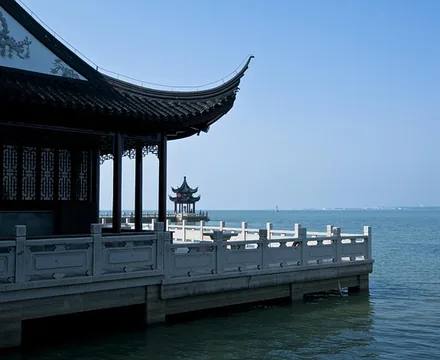
History & Culture: Suzhou was founded in 514 BC and is a national historical and cultural city with more than 2,500 years of history. It has long been praised in the saying 'Above there is heaven, below there are Suzhou and Hangzhou'. Suzhou is known worldwide for its classical gardens, which embody the art of creating a universe within a few paces. Wu culture is refined and elegant: Kunqu opera is melodious, pingtan storytelling uses the soft Wu dialect, and Su embroidery is exquisite. Suzhou blends the classical and the modern, with both the restrained elegance of its gardens and the vitality of a modern city. Strolling the water lanes and listening to a piece of pingtan is the finest way to experience the gentle spirit of Jiangnan. Suzhou lies in Jiangsu, where regional history and cultural exchange have shaped a distinct urban memory.
Geography: Suzhou lies in the middle of the Yangtze River Delta on the shores of Lake Tai, bordering Shanghai to the east. Waterways and canals crisscross the area, and the climate is subtropical monsoon. Suzhou is in Jiangsu, where landforms, rivers and climate together shape the city's layout. Spring (March–May) brings flowers to the gardens; autumn (September–November) is crisp and clear. Natural and cultural sights are fairly concentrated, so a one- or two-day itinerary by area works well. Light, vegetation and water levels change with the seasons; check the weather and official notices before setting out. Roads and railways are the main connections, and the main sights can be linked from the city or county town. Natural and cultural sights around the city can usually be linked by road or rail, suiting a half- or full-day plan.
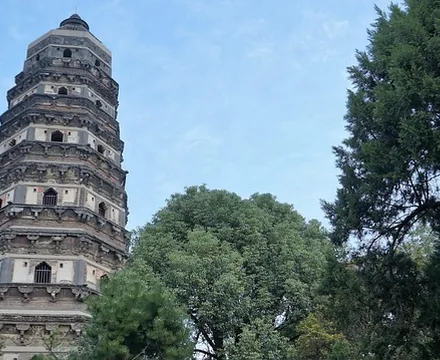
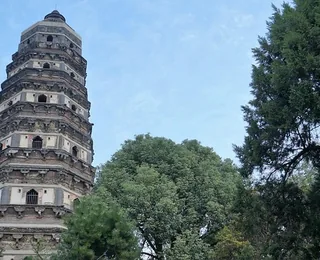
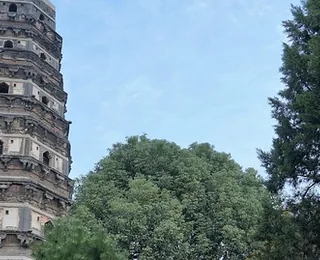
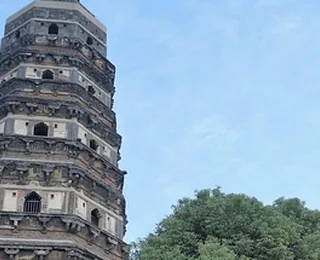
Highlights: Visit World Heritage gardens such as the Humble Administrator's Garden and the Lingering Garden, stroll Pingjiang Road and Shantang Street for water-town atmosphere, see the leaning pagoda at Tiger Hill and hear the bell at Hanshan Temple. Core sights include the Humble Administrator's Garden, Tiger Hill, Pingjiang Road Historic District and Suzhou Museum. They cover history, nature and city life and can be combined freely. Pair the main sights with nearby streets, museums or food streets for a half- or full-day route. If time allows, slow down and leave room for walking and rest. First-time visitors can start with the most representative sights, then add museums, old streets or natural areas as time allows.
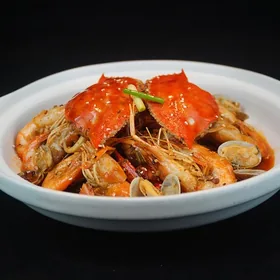
Food Culture: Suzhou cuisine is refined and elegant: squirrel-shaped mandarin fish is crisp outside and tender within, Suzhou-style noodles are fine with a clear broth, crab-shell pastries are flaky and fragrant, plum blossom cakes are sweet and glutinous, and Yangcheng Lake hairy crab is full of roe and fat in autumn.