City Intro

History & Culture: Yinchuan is the capital of Ningxia, set on the Yinchuan Plain at the foot of the Helan Mountains and on the east bank of the Yellow River, and has long been known as a 'Jiangnan beyond the Great Wall'. It was the capital of the Daxia state and the homeland of the Western Xia dynasty; the Western Xia Mausoleums sleep on the barren plain, bearing a mysterious and short-lived history. Yinchuan is a Hui area, and the Hui festivals of Eid al-Fitr and Eid al-Adha are important occasions. Western Xia culture is mysterious and distinctive, with its own script and Buddhist art. Hui halal food culture is rich, and the eight-treasure tea etiquette of welcoming guests is distinctive. Yinchuan lies in the Ningxia Hui Autonomous Region and has formed a distinctive urban memory through regional history and cultural exchange. From ancient settlements to the modern city, city walls, lanes, temples and guild halls record historical layers from different periods.

Geography: It lies on the Yinchuan Plain, with the Helan Mountains as a screen to the west and the Yellow River irrigating the land between, a dense network of waterways, fragrant rice and fat fish. The climate is mid-temperate continental, dry with little rain and abundant sunshine. Yinchuan is located in the Ningxia Hui Autonomous Region, where landforms, rivers and climate together shape the city's layout. Spring (Apr–May) brings apricot blossom; summer (Jun–Aug) is cool and pleasant; autumn (Sep–Oct) is rich in colour. Natural and cultural sites are relatively concentrated, so one- or two-day itineraries by area work well. Light, vegetation and water levels change with the seasons, so check the weather and scenic-area notices before setting out. Road and rail are the main connections, and major sights can be linked from the city or county seat.

Highlights: The 'pyramids of the East' at the Western Xia Mausoleums, Zhenbeibu Western Film Studio and Sand Lake, where desert and lake meet; experience the charm of a Jiangnan beyond the Great Wall. Core sights include the Western Xia Mausoleums, Zhenbeibu Western Film Studio, Sand Lake and Shuidonggou. They cover history, nature and city life and can be combined freely. Pair the core sights with nearby streets, museums or food streets for a half- or full-day route. If time allows, slow down and leave room for walking and rest. First-time visitors can start with the most representative sights, then add museums, old streets or natural areas as time permits. Local food is part of the itinerary — save a meal for a time-honoured shop or a local market.

Food Culture: Yinchuan's food is mainly halal: hand-grabbed mutton is fine and tender with no gamey smell, lamb saozi noodles are fresh and savoury, and eight-treasure tea is soothing with a sweet aftertaste — the Hui character is strong.

Attractions

More >
Western Xia Mausoleums

Western Xia Mausoleums

Recommend 4.7 / 5

The Western Xia Mausoleums are the royal cemetery of the Western Xia dynasty, at the eastern foot of the Helan Mountains, covering more than 50 square kilometres, with 9 imperial tombs and more than 250 subsidiary burials. Each imperial tomb is an independent, complete architectural complex; corner towers, gate platforms, stele pavilions and spirit gates survive, and the tallest rammed-earth tomb tower is about 20 metres high. The occupants of most tombs are unknown; Tomb 3, the largest and most finely built, is presumed to be the Tai Mausoleum of Emperor Jingzong, Li Yuanhao, while Tomb 7 has been confirmed as the Shou Mausoleum of Emperor Renzong, Li Renxiao. In July 2025 the site was inscribed on the UNESCO World Heritage List under the name 'Western Xia Mausoleums'; the museum holds Western Xia documents and fine Buddhist art. Highlights include Tomb 3 (presumed Tai Mausoleum of Jingzong Yuanhao), Tomb 7 (the only tomb with a confirmed occupant, Renzong's Shou Mausoleum), the Western Xia Museum, and the stele pavilions and spirit gates of the tomb area. Tip: hiring a guide to explain Western Xia history makes the site's value clearer. Practical info: located at the Western Xia Mausoleum Scenic Area, eastern foot of the Helan Mountains, Xixia District, Yinchuan, Ningxia; ticket ¥75; opening hours 08:00–18:00.
Tip: Hiring a guide to explain Western Xia history makes the site's value clearer.
  • Address: Western Xia Mausoleum Scenic Area, eastern foot of the Helan Mountains, Xixia District, Yinchuan, Ningxia
  • Ticket: ¥75
  • Opening: 08:00–18:00
Western Xia Mausoleums
Zhenbeibu Western Film Studio

Zhenbeibu Western Film Studio

Recommend 4.5 / 5

Zhenbeibu Western Film Studio was founded by Zhang Xianliang, who converted Ming and Qing forts into a film and television location. Hundreds of films and series, including 'A Chinese Odyssey' and 'Red Sorghum', have been shot here. Highlights include the Ming City, Qing City, Old Yinchuan Street and the 'A Chinese Odyssey' locations. Tip: costumes can be rented for photographs, for a sense of travelling back in time. Practical info: located at Zhenbeibu Town, Xixia District, Yinchuan, Ningxia; ticket ¥100; opening hours 08:00–18:00. Best season: spring (Apr–May) brings apricot blossom; summer (Jun–Aug) is cool and pleasant; autumn (Sep–Oct) is rich in colour. Combine with the Western Xia Mausoleums, Sand Lake and Shuidonggou for a half- or full-day itinerary. Check the day's opening and booking policy before you go, and allow enough time. In peak season or on holidays, book ahead and avoid the crowds, allowing time for queues and security checks.

Tip: Costumes can be rented for photographs, for a sense of travelling back in time.

  • Address: Zhenbeibu Town, Xixia District, Yinchuan, Ningxia
  • Ticket: ¥100
  • Opening: 08:00–18:00
Zhenbeibu Western Film Studio
Sand Lake

Sand Lake

Recommend 4.3 / 5

Sand Lake is an eco-tourism area combining desert, lake, reeds and migratory birds. The lake surface joins the desert, many birds live among the reeds, and the scenery is distinctive. Highlights include boat trips through the reeds, sand sledding in the desert area, a birdwatching platform and a water park. Tip: go in spring or autumn to see migratory birds. Practical info: located at the Sand Lake Eco-tourism Area, Pingluo County, Shizuishan, Ningxia; ticket ¥60 (boat ticket extra); opening hours 08:00–18:00. Best season: spring (Apr–May) brings apricot blossom; summer (Jun–Aug) is cool and pleasant; autumn (Sep–Oct) is rich in colour. Combine with the Western Xia Mausoleums, Zhenbeibu Western Film Studio and Shuidonggou for a half- or full-day itinerary. Check the day's opening and booking policy before you go, and allow enough time.

Tip: Go in spring or autumn to see migratory birds. In summer you can try the water activities.

  • Address: Sand Lake Eco-tourism Area, Pingluo County, Shizuishan, Ningxia
  • Ticket: ¥60 (boat ticket extra)
  • Opening: 08:00–18:00
Sand Lake
Sand Lake
Sand Lake

Local Food

Hand-grabbed mutton
Hand-grabbed mutton
¥50–80/person
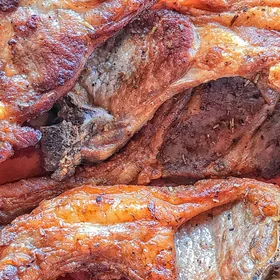
Ningxia Tan sheep boiled in clear water — fine, tender meat with no gamey smell; dip it in salt and it is fresh and savoury.
★ 4.5
Lamb saozi noodles
Lamb saozi noodles
¥15–25/person
A Ningxia home-style noodle: savoury saozi, red broth and springy noodles — warming and filling.
★ 4.5
Eight-treasure tea
Eight-treasure tea
¥10–20/person
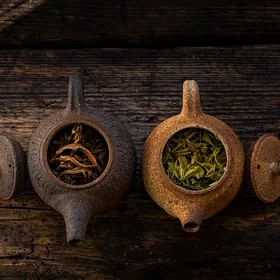
Brewed with red dates, longan, goji berries, rock sugar and more — a sweet Hui drink for welcoming guests, soothing with a sweet aftertaste.
★ 4.5
Lahuhu
Lahuhu
¥20–40/person
Yinchuan's local version of malatang: chilli powder simmered into a paste for dipping tofu skin, potato and beef tripe — spicy, thick and aromatic, served with rice or bread.
★ 4.6

Culture

Yinchuan is a Hui area, and the Hui festivals of Eid al-Fitr and Eid al-Adha are important occasions. Western Xia culture is mysterious and distinctive, with its own script and Buddhist art. Hui halal food culture is rich, and the eight-treasure tea etiquette of welcoming guests is distinctive.