History & Culture: Zhongwei is in Ningxia and is known for destinations such as Shapotou; it is an important travel hub in the region. Zhongwei, formerly Yingli, was an important node in the Yellow River irrigation area of the Ningxia plain; it was established as Zhongwei Guard in the Ming dynasty, and the Baotou-Lanzhou railway later strengthened its position. Zhongwei lies in Ningxia and has formed a distinctive urban memory through regional history and cultural exchange. From ancient settlements to the modern city, walls, lanes, temples and guild halls record historical layers from different periods. Today museums, historic districts and local festivals still make the city's history legible. The city's history is written not only in sites and museums but also in dialect, food, festivals and the details of daily life.
Geography: Zhongwei's core landscapes include Shapotou, the Tengger Desert, the Yellow River Homestay Cluster and Gaomiao Temple, with nature and culture existing side by side within a short distance. Zhongwei lies in Ningxia, where landforms, rivers and climate together shape the city's spatial pattern. April–October is best; the desert has a big day-night temperature difference, so take sun protection in summer. Natural and cultural sites are relatively concentrated, so a one- or two-day itinerary by area works well. Light, vegetation and water levels change the look of the landscape with the seasons; check the weather and official notices before setting out. Roads and railways are the main connections, and the main sights can be linked from the city or county town.
Highlights: In Zhongwei, focus on Shapotou, the Tengger Desert and the Yellow River Homestay Cluster. Core sights include Shapotou, the Tengger Desert, the Yellow River Homestay Cluster and Gaomiao Temple. They cover history, nature and city life, and can be combined freely to suit your interests. Pair the core sights with nearby streets, museums or food streets for a half- or full-day itinerary. If time allows, slow down and leave room for walking and rest for a fuller experience. First-time visitors can start with the most representative core sights, then add museums, old streets or natural scenery as time allows. Local food is part of the itinerary too — save mealtime for time-honoured shops or local markets.
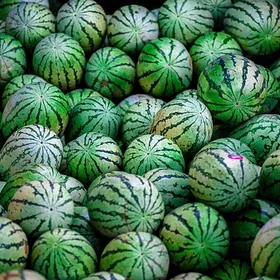
Food Culture: Local specialties include haozi noodles, hand-grabbed lamb, selenium-sand melon and Yellow River carp, built on local ingredients and home-style cooking.