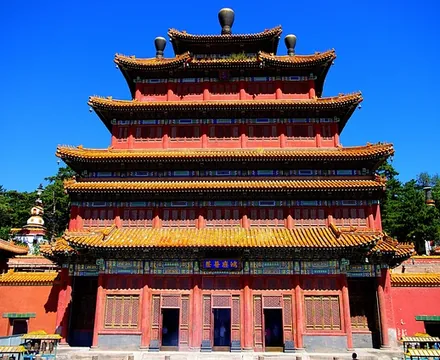
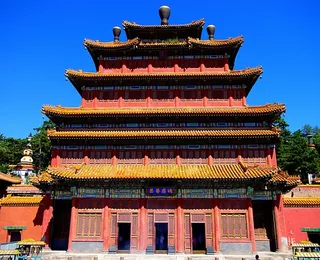
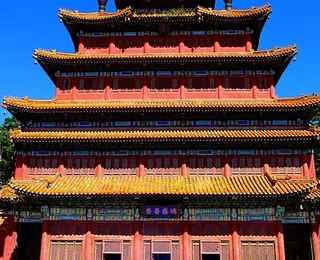
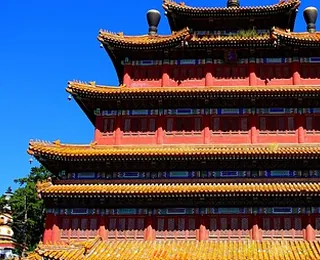
History & Culture: Chengde lies in the heart of the Yan Mountains in northeastern Hebei, bordering Beijing and Tianjin to the south, a corridor linking the northeast with north China. In the Qing dynasty, the Kangxi and Qianlong emperors built the Mountain Resort here as a summer capital and second political centre, laying down the city's plan; its old Mongolian name was 'Haerha Hetun'. Chengde's cultural heritage is deep and varied. The Mountain Resort and the Outer Eight Temples testify to Qing imperial summer life and ethnic integration, while the Tibetan architecture of Putuozongcheng Temple and the gilded roof of Xumifushou Temple show the meeting of Han and Tibetan art. The annual Chengde International Tourism Festival, Mountain Resort Culture Festival and Imperial Temple Fair keep this 'Capital Beyond the Great Wall' culturally alive. Chengde sits in Hebei Province and has formed a distinct urban memory through regional history and cultural exchange.
Geography: Chengde lies in the Yan Mountains, with a cool, pleasant climate and no fierce summer heat — a natural summer retreat. Mountains, water and imperial grandeur blend here, earning it the name 'Capital Beyond the Great Wall'. Chengde sits in Hebei Province, where landforms, rivers and climate have together shaped the city's spatial pattern. Summer (Jun–Aug) is cool and pleasant, a summer retreat; autumn (Sep–Oct) turns the woods red and gold with delightful scenery. Natural and cultural sites are fairly concentrated, so a one- or two-day itinerary by area works well. Light, vegetation and water levels change with the seasons; check the weather and official notices before setting out. Roads and railways are the main connections, and the main sights can be linked from the city or county town.
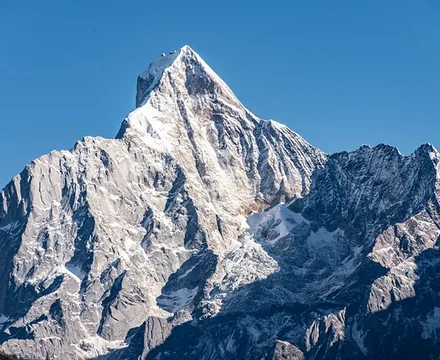
Highlights: The Mountain Resort is a UNESCO World Heritage Site that combines Jiangnan gardens with the bold mountains of the north; the Outer Eight Temples blend the finest Han and Tibetan architecture; Putuozongcheng Temple copies the Potala Palace and is strikingly imposing; and Qingchui Peak stands alone as a strange rock pinnacle. Core sights include the Mountain Resort, Puning Temple, Putuozongcheng Temple and Xumifushou Temple. They cover history, nature and city life, and can be combined freely. Pair the main sights with nearby streets, museums or food streets for a half- or full-day route. If time allows, slow down and leave room for walking and meals. First-time visitors can start with the most representative sights, then add museums, old streets or nature as time allows.
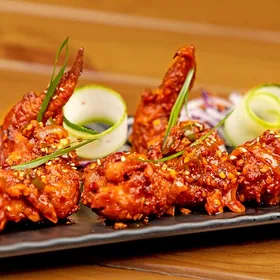
Food Culture: Chengde cuisine is represented by baked biscuits, lamb soup and lotus-leaf chicken — plain, honest flavours with both court and mountain-country character.