City Intro

History & Culture: Chengdu lies in the west of the Sichuan Basin, in the heart of the Chengdu Plain. It has been a city for more than 2,300 years and is also known as Rongcheng (City of Hibiscus) and Jinguan City (Brocade Official City). It is the birthplace of ancient Shu civilisation and a national historical and cultural city, where Three Kingdoms Shu Han culture and a poetic tradition intertwine. Chengdu is a city that joins slow living with everyday bustle. Sichuan opera face-changing is a dazzling skill; teahouse culture runs deep, and a gaiwan brews a leisurely life; Shu embroidery is exquisite, and the sun-bird motif from the Jinsha site is a symbol of ancient Shu civilisation. Annual events such as the Jinsha Sun Festival and the Chengdu International Intangible Cultural Heritage Festival let this ancient city shine between tradition and modernity. Chengdu sits in Sichuan Province and has formed a distinct urban memory through regional history and cultural exchange.

Geography: Chengdu lies in the heart of the Chengdu Plain, ringed by tributaries of the Min River, with flat land and a dense network of canals. It has a subtropical humid monsoon climate, with mild winters, early springs and ample rain — a land of abundance since ancient times. Chengdu sits in Sichuan Province, where landforms, rivers and climate have together shaped the city's spatial pattern. Spring (Mar–Jun) brings a profusion of flowers; autumn (Sep–Nov) is crisp and clear. Pleasant in every season. Natural and cultural sites are fairly concentrated, so a one- or two-day itinerary by area works well. Light, vegetation and water levels change with the seasons; check the weather and official notices before setting out. Roads and railways are the main connections, and the main sights can be linked from the city or county town.

Highlights: See giant pandas, wander Kuanzhai Alley, visit Wuhou Temple and taste hotpot and chuanchuan, experiencing the perfect blend of slow living and Shu street life. Core sights include the Chengdu Research Base of Giant Panda Breeding, Kuanzhai Alley, Wuhou Temple and Jinli Ancient Street. They cover history, nature and city life, and can be combined freely. Pair the main sights with nearby streets, museums or food streets for a half- or full-day route. If time allows, slow down and leave room for walking and meals. First-time visitors can start with the most representative sights, then add museums, old streets or nature as time allows.

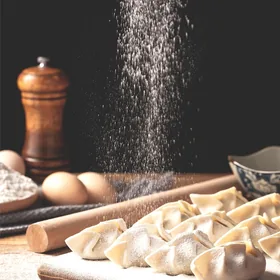
Food Culture: Chengdu's food is unmatched: hotpot is numbing, spicy and rich, mapo tofu is numbing, hot and savoury, dandan noodles are crisp and tempting, and Zhong dumplings come with a sweet-spicy dipping sauce. Teahouse culture runs deep, and the leisurely life is enviable.


Attractions

More >
Chengdu Research Base of Giant Panda Breeding

Chengdu Research Base of Giant Panda Breeding

Recommend 4.8 / 5

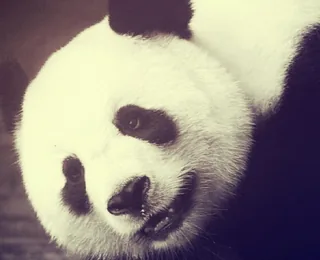
The Chengdu Research Base of Giant Panda Breeding is a world-famous base for the ex-situ conservation, scientific breeding and educational tourism of giant pandas. It covers a large area and recreates the pandas' wild habitat, with the Sun Nursery, Moon Nursery and other facilities where visitors can observe their habits up close. Dense bamboo groves and shade make it an excellent place to learn about panda conservation and breeding. A world-renowned centre for panda research and public education, where you can watch endearing pandas up close, especially the delightful cubs. Highlights include the Giant Panda Villa and the Red Panda Enclosure. Tip: Go in the morning, when pandas are more active. Practical info: located at 1375 Panda Avenue, Chenghua District, Chengdu, Sichuan; admission ¥55; open 07:30–18:00 (last entry 17:00). Best season: spring (Mar–Jun) brings a profusion of flowers; autumn (Sep–Nov) is crisp and clear. Pleasant in every season.

  • Address: 1375 Panda Avenue, Chenghua District, Chengdu, Sichuan
  • Ticket: ¥55
  • Opening: 07:30–18:00 (last entry 17:00)
Chengdu Research Base of Giant Panda Breeding
Kuanzhai Alley

Kuanzhai Alley

Recommend 4.6 / 5

Kuanzhai Alley is a surviving Qing dynasty street in Chengdu, made up of Wide Alley, Narrow Alley and Jing Lane. It preserves old Chengdu's urban fabric and rhythm of life, with grey-brick, dark-tile courtyard houses and old gateways standing beside modern cafés and creative shops. Wide Alley focuses on history and culture, Narrow Alley on leisure, and Jing Lane on everyday local life — each with its own character. A Qing dynasty historic district made up of Wide Alley, Narrow Alley and Jing Lane, where western Sichuan houses stand alongside bars and teahouses — the essence of leisurely Chengdu. Highlights include the old buildings of Wide Alley, the creative shops of Narrow Alley, the old teahouses of Jing Lane and the brick archway. Tip: The courtyard lights are especially atmospheric at night; in an old teahouse you can try gaiwan tea and ear cleaning, part of Chengdu's slow life. Practical info: located at Jinhe Road Intersection, Qingyang District, Chengdu, Sichuan; admission free; open all day. Best season: spring (Mar–Jun) brings a profusion of flowers; autumn (Sep–Nov) is crisp and clear. Pleasant in every season.

Tip: The courtyard lighting is especially atmospheric at night — settle into an old teahouse for a gaiwan of tea an…

  • Address: Jinhe Road Intersection, Qingyang District, Chengdu, Sichuan
  • Ticket: Free
  • Opening: Open all day
Kuanzhai Alley
Kuanzhai Alley
Kuanzhai Alley
Wuhou Temple

Wuhou Temple

Recommend 4.7 / 5

Wuhou Temple is the only temple in China where ruler and ministers are worshipped together, made up of the shrine to Liu Bei and Zhuge Liang and the Hui Tomb. Ancient cypresses stand dense, and red walls and bamboo shadows set each other off; it is the essence of Three Kingdoms Shu Han culture. Jinli Ancient Street lies next to the temple, offering western Sichuan atmosphere and street life. Highlights include the Liu Bei Hall and the Zhuge Liang Hall. China's only temple where ruler and ministers are worshipped together, commemorating Zhuge Liang and the Shu Han court. Red walls and bamboo shadows make it a sacred site of Three Kingdoms culture. Tip: The red walls and bamboo shadows are the most popular photo spot; go early in the morning to avoid the crowds. Practical info: located at 231 Wuhou Shrine Street, Wuhou District, Chengdu, Sichuan; admission ¥50; open 08:00–21:00 (peak), 08:00–18:00 (off-peak). Best season: spring (Mar–Jun) brings a profusion of flowers; autumn (Sep–Nov) is crisp and clear. Pleasant in every season. Combine with the Chengdu Research Base of Giant Panda Breeding, Kuanzhai Alley and Jinli Ancient Street for a half-day or full-day itinerary.

  • Address: 231 Wuhou Shrine Street, Wuhou District, Chengdu, Sichuan
  • Ticket: ¥50
  • Opening: 08:00–21:00 (peak); 08:00–18:00 (off-peak)
Wuhou Temple
Wuhou Temple
Wuhou Temple

Local Food

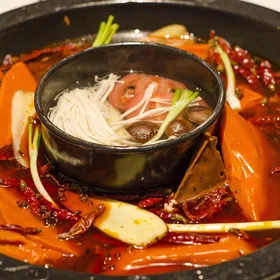
Chengdu Hotpot
Chengdu Hotpot
¥80–150/person
A beef-tallow broth, numbing, spicy and rich; tripe, aorta and duck intestines are essential dips — the hallmark of Shu cuisine.
★ 4.8
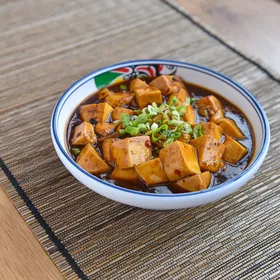
Mapo Tofu
Mapo Tofu
¥15–25/person
Numbing, spicy, hot, fragrant, crisp and tender — a Sichuan classic and perfect with rice.
★ 4.7
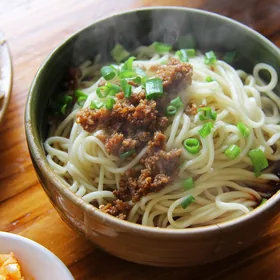
Dandan Noodles
Dandan Noodles
¥10–20/person
Fine noodles with crisp, savoury minced pork and crushed peanuts — numbing, spicy and fragrant, a famous street snack.
★ 4.5
Zhong Dumplings
Zhong Dumplings
¥15–25/person
Dumplings in a sweet-spicy red-oil dipping sauce, with thin wrappers and tender filling — a time-honoured Chengdu flavour.
★ 4.4

Culture

Chengdu is a city that joins slow living with everyday bustle. Sichuan opera face-changing is a dazzling skill; teahouse culture runs deep, and a gaiwan brews a leisurely life; Shu embroidery is exquisite, and the sun-bird motif from the Jinsha site is a symbol of ancient Shu civilisation. Annual events such as the Jinsha Sun Festival and the Chengdu International Intangible Cultural Heritage Festival let this ancient city shine between tradition and modernity.